
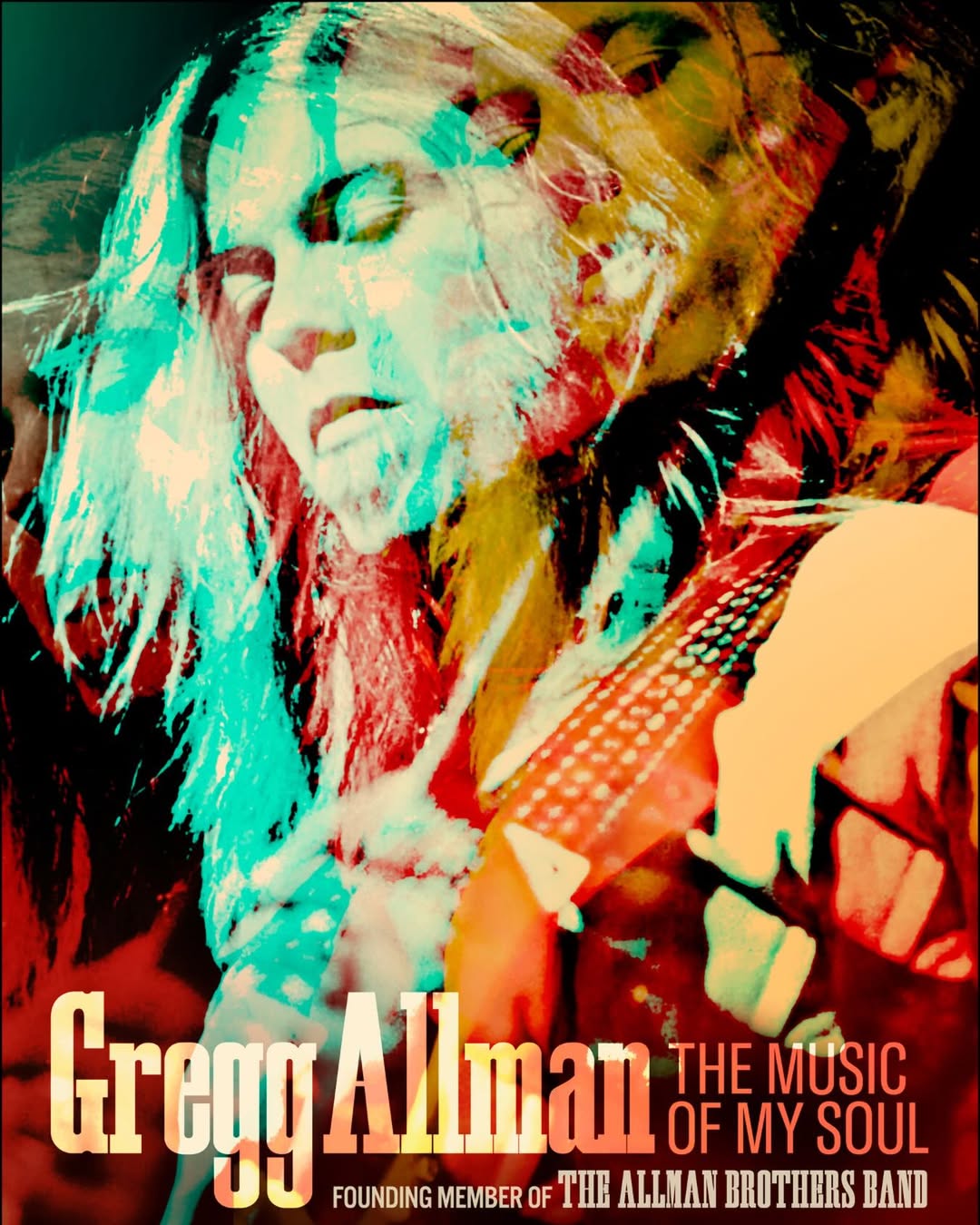
 Gregg Allman was an immensely talented yet deeply troubled musician, and director James Keach’s documentary, The Music of My Soul, which opened in theaters in June 2026, goes a long way toward explaining both the man and the music.
Keach has assembled an impressive collection of rare footage, a treasure trove of photographs and a wide-ranging series of interviews to create a balanced portrait of Allman. Contributors include his children, several of his former wives, bandmates and longtime collaborators, but the film’s greatest strength is Allman himself. Anchoring the story is his final, previously unreleased interview, recorded in 2014; Allman died three years later.
One of the early revelations is that Gregg picked up the guitar before his older brother Duane, despite idolizing him. Wonderful archival footage illustrates how, as the brothers matured, their musical direction was forever changed after seeing Jackie Wilson and Otis Redding perform in Nashville. It is especially poignant knowing that Duane would later work alongside Redding.
Former band members trace the brothers’ journey to Los Angeles as the Allman Joys and then the Hour Glass, complete with some wonderfully specific mid-to-late-’60s fashion. Among the interviewees, keyboardist Chuck Leavell provides perhaps the most objective perspective. Having joined the Allman Brothers during the band’s revival, before embarking on an extraordinary career with the Rolling Stones and others, he offers valuable context throughout. Jackson Browne also offers several thoughtful observations.
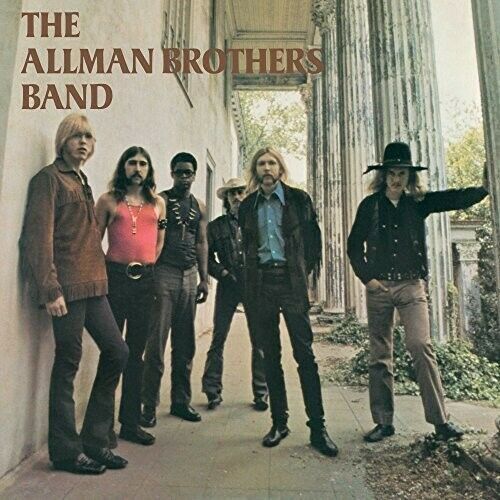
The Allman Brothers Band’s debut album.
Through archival interviews and recollections, we learn that Duane grew frustrated with the restrictive nature of the record business In Los Angeles and headed to Alabama, where he became one of the legendary session musicians at Muscle Shoals Studios.
Gregg’s account of forming the Allman Brothers Band is one of the documentary’s highlights. Why two drummers? Because James Brown and Otis Redding used two drummers. The band’s sense of unity was symbolized by each member receiving a mushroom tattoo, imagery that would become forever associated with the group.
The film occasionally drifts into side stories—such as an extended segment involving the owner of the band’s favorite coffee shop—but understandably devotes considerable time to Duane’s tragic death and the uncertain future that followed.
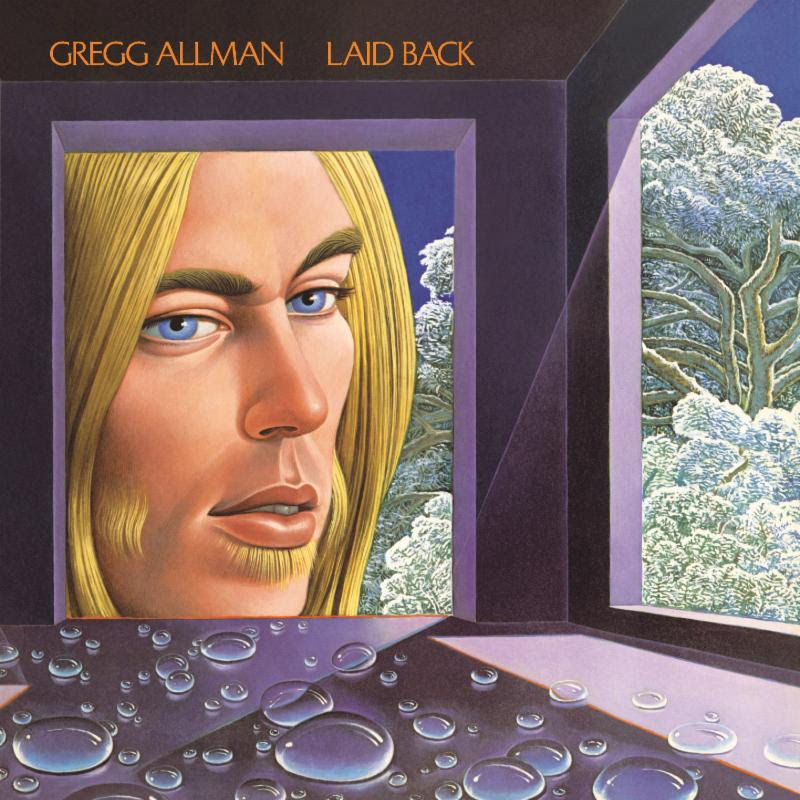
Gregg reveals for the first time on film that while recording the Brothers and Sisters album, he was simultaneously making his solo masterpiece, Laid Back. It is one of several candid moments that even longtime fans may find surprising.
Several of Allman’s former wives speak movingly about his innate shyness, a striking contrast to his role as the frontman of one of America’s biggest rock bands. That reserved personality collided head-on with the relentless spotlight surrounding his brief marriage to Cher. Director Keach illustrates the contrast effectively through magazine covers, television footage and a brief but memorable duet.
The documentary does not shy away from Allman’s struggles with cocaine addiction during the 1970s and his later dependence on alcohol. In his final interview, he expresses genuine remorse over how much those addictions cost him, both personally and professionally.
The film’s emotional peak comes during a performance of Jackson Browne’s “These Days,” sung by Browne and Allman together. A discussion of the song’s closing lyric—”Please don’t confront me with my failures, I am aware of them”—becomes a quietly devastating reflection on Allman’s life.
Related: Our review of the album capturing the Allman Brothers Band’s final concert
The documentary closes with superb footage from the recording of Allman’s final album at Muscle Shoals. Musician/producer Don Was recalls bringing him Bob Dylan’s “Going, Going, Gone,” an inspired choice made all the more poignant by the fact that the album was released after Allman’s death.
Ultimately, The Music of My Soul succeeds because of its extraordinary archive of photographs and film footage, particularly from the band’s formative years. Combined with Gregg Allman’s own reflections, it offers an intimate, honest and deeply moving portrait of one of American music’s most compelling figures.
For longtime fans, there are enough fresh revelations, while newcomers will come away with a deeper appreciation of both Gregg Allman’s music and the personal cost behind it.
The Music of My Soul is available on Amazon Prime, Apple TV and YouTube. Gregg Allman’s solo catalog is available in the U.S. here, in Canada here and in the U.K. here.




6 Comments so far
Jump into a conversationNot a huge Allman Brothers fan, but loved Gregg’s autobiography, and look forward to seeing the documentary.
Disappointed No mention of his son Michael, he got his Dads voice
Unless they changed them for this documentary, the closing lyrics of “These Days” are incorrect in this write up. The correct lyrics are, “Don’t confront me with my failures
I had not forgotten them”
I saw the brothers at Mercer University in Georgia when my brother was going there in 1969. I’ve been a fan ever since. I went and saw the movie last week, and enjoyed the hell out of it !! I would highly recommend it to fans and people who are new to their music. I’m 71, and I figured I had seen everything about them, but I stand corrected !!
Annual pilgrimage to see the Brothers at The Beacon……The Church of ABB!!!
“Don’t confront me with my failures
I had not forgotten them”
…are the lyrics