
Little Remembered Songs from the Rock & Roll Hall of Fame’s 1st Inductees
by Jeff Tamarkin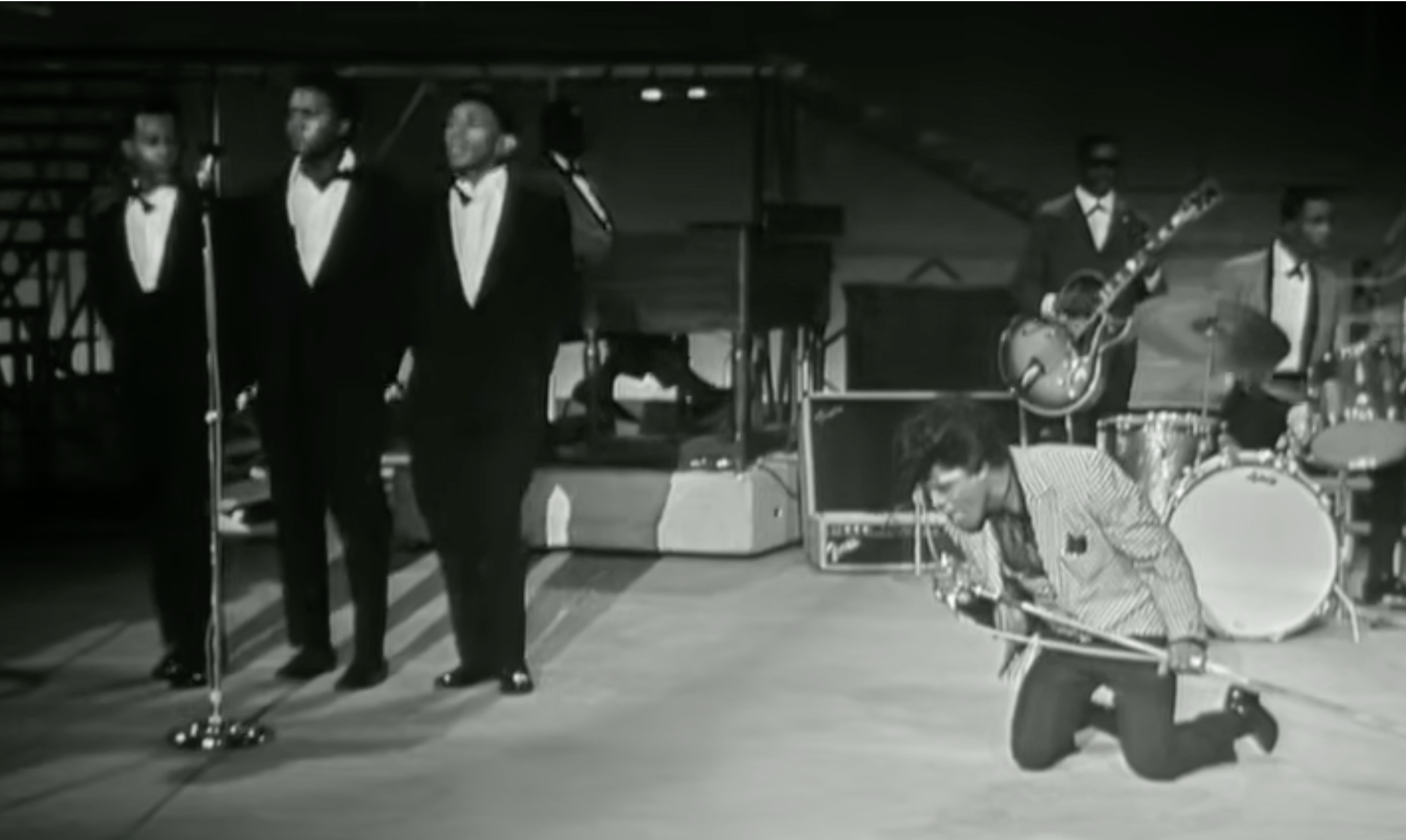
James Brown in the 1964 concert film The T.A.M.I. Show (YouTube screen shot)
When the first Rock & Roll Hall of Fame induction ceremony was held on Jan. 23, 1986, only 10 performing artists were chosen for the inaugural class (not including several others chosen in the Early Influence, Non-Performer and Lifetime Achievement categories). All of them were male, all of them first achieved stardom in the 1950s, and all but three (Sam Cooke, Buddy Holly and Elvis Presley) were still alive (today, all are deceased).
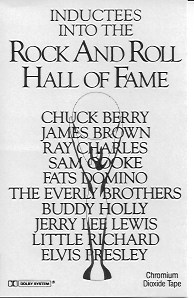
The complimentary cassette given to all attendees at the star-studded, black tie event at NYC’s Waldorf-Astoria Hotel’s Grand Ballroom on Jan. 23, 1986.
But what a 10 they were! In addition to the three mentioned above, that first class included Chuck Berry, James Brown, Ray Charles, Fats Domino, the Everly Brothers, Jerry Lee Lewis and Little Richard. The influence of each was so pervasive that entire subgenres of the music branched out from what they originally created. Rock music, even today, owes each one for pointing the way.
And for some of the greatest rock and roll songs of all time.
Most of these artists left behind sizable catalogs of recordings, many of them hits that are still fondly remembered today. But there were also many songs that didn’t quite zoom up the charts or are often overlooked as we move further away from the era in which they reigned. We all remember the classics, from “Hound Dog” to “Johnny B. Goode” to “Bye Bye Love,” but here are some others that are worth revisiting.
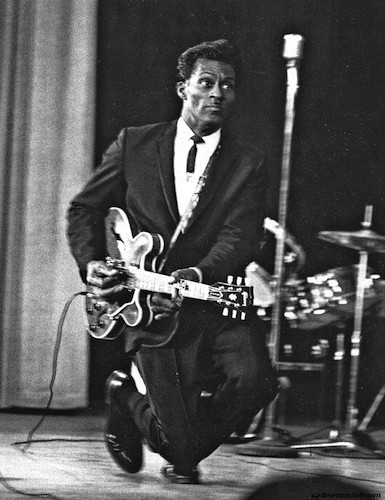
Chuck Berry—“Promised Land”
He’s been called the Poet Laureate of Rock and Roll for the deft use of contemporary language and wordplay in his relatable lyrics, and his guitar playing, born of the blues but taken to whole new worlds, was the place to begin if you wanted to be a rocker yourself. So many of his songs have been covered over the years, from “Roll Over Beethoven” to “Sweet Little Sixteen” to “Maybellene.” This one, which tells of a cross-country journey west (“Left my home in Norfolk, Virginia, California on my mind”) by a “poor boy,” was a relatively late entry in his catalog, written while he was incarcerated and first recorded in 1964 for Berry’s album St. Louis to Liverpool. It only reached #41 on the Billboard pop chart but artists from Elvis Presley to James Taylor to Meat Loaf covered it, as did the Grateful Dead, who performed it live more than 400 times, often opening their marathon shows with the song.
 James Brown—“Prisoner of Love”
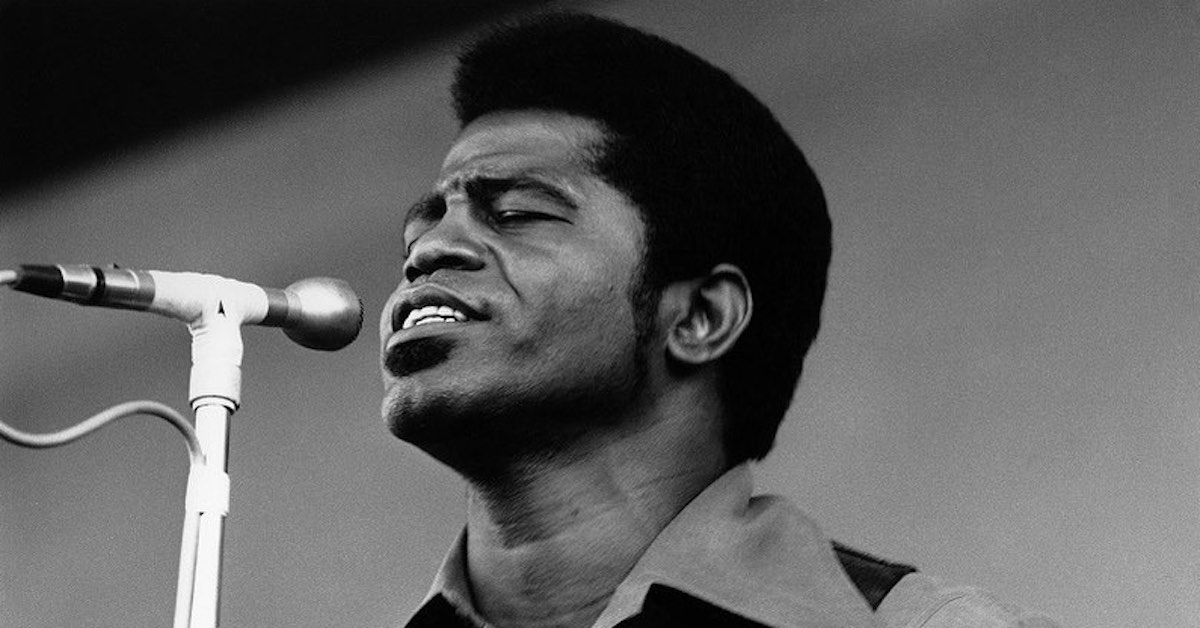
Whether you prefer to refer to him as “The Godfather of Soul,” “The Hardest Working Man in Show Business,” “Mr. Dynamite” or “Soul Brother Number One,” it’s inarguable that James Brown was a singular figure in the history of American music. Contributing significantly to the development of R&B, soul and funk, he never stopped innovating, and even today he remains the most successful artist on the Billboard R&B singles chart, placing 118 singles there between 1956 and ’98, many of them chart-toppers. He often crossed over into the pop world as well, with hits like “Papa’s Got a Brand New Bag,” “I Got You (I Feel Good)” and “Cold Sweat.” His 1963 recording of “Prisoner of Love,” written back in 1931, was theatrical and intense and provided Brown with a showcase for his thrilling stage moves, as evidenced by his tour de force performance of the song in the 1964 concert film The T.A.M.I. Show, where he is backed by his group the Famous Flames.
Related: What was up with James Brown’s song titles?
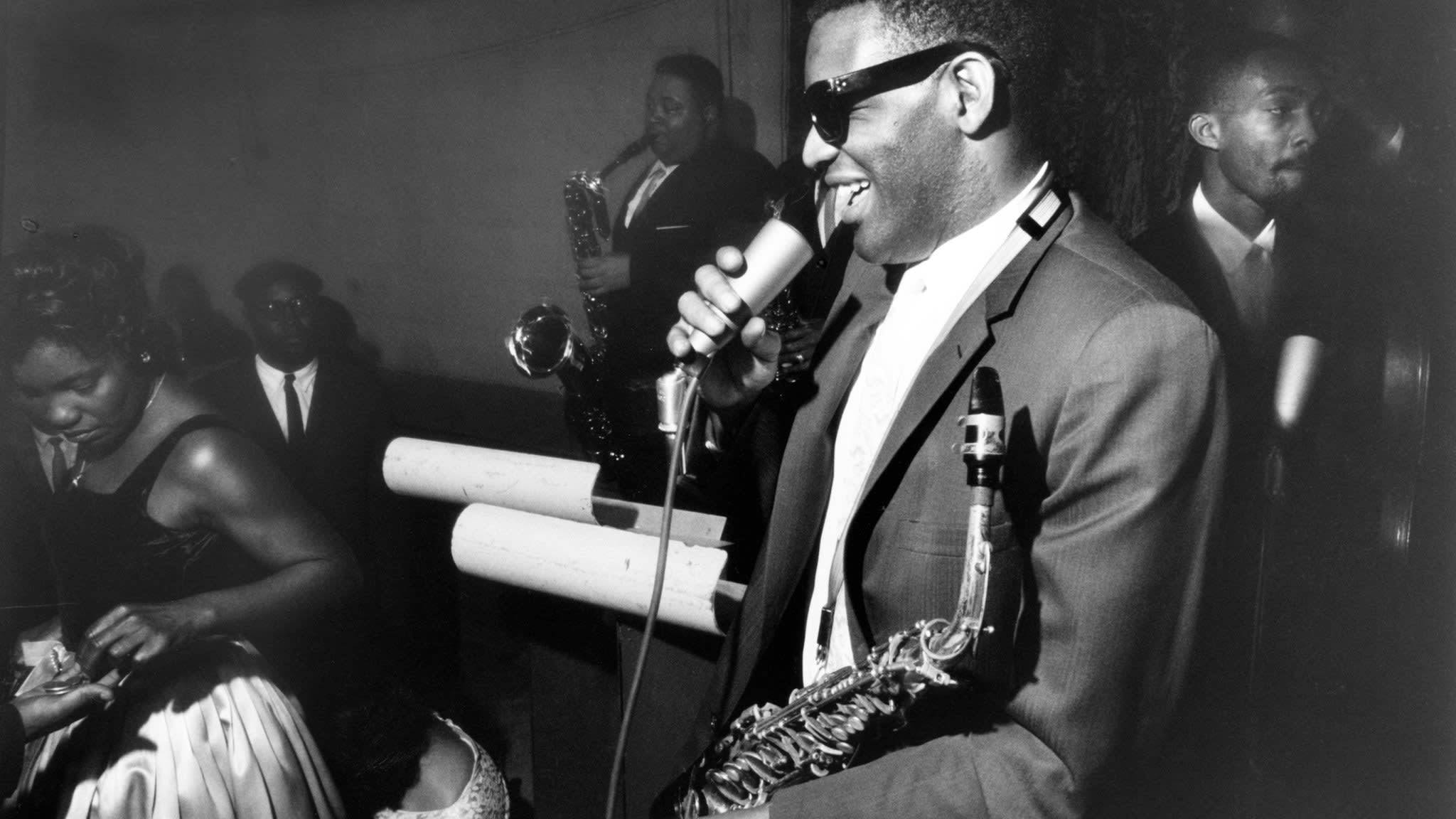
Ray Charles—“I Don’t Need No Doctor”
The incredibly diverse Ray Charles had been gone from Atlantic Records for several years by 1966, having moved over to the more pop-oriented ABC-Paramount label, when he cut this churning rocker co-written by Nick Ashford, Valerie Simpson and Jo Armstead. Ashford had already cut his own version that summer but had no luck with it, when Charles—already a legend for such hits as “What’d I Say,” “Georgia on My Mind,” “Hit the Road Jack” and “Crying Time”—decided to give it a try. His scorching version didn’t catch on with the record-buying public either—it stalled at #72 on the Hot 100—but it inspired cover versions by Humble Pie and many other rock bands in later years. [Charles’ recordings are available in the U.S. here, in Canada here and in the U.K. here.]
Related: The story of Charles’ “What’d I Say”
 Sam Cooke—“Wonderful World”
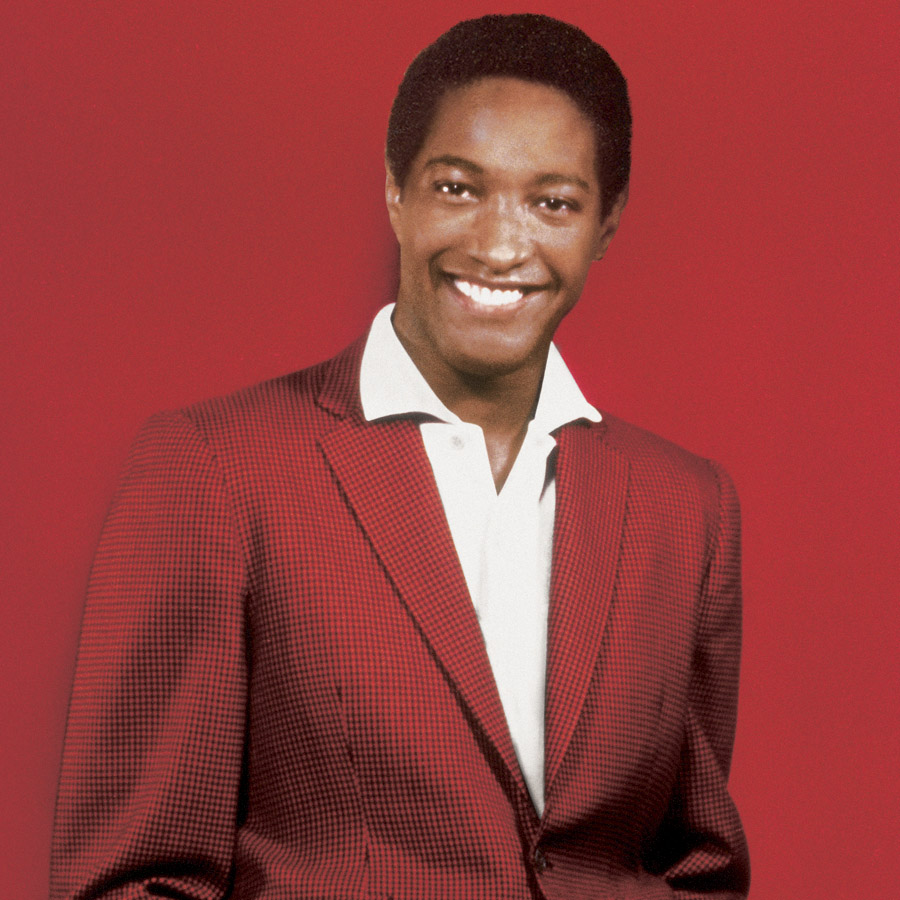
Sam Cooke’s story is one of the greatest tragedies in popular music history. Shot down at only 33, he had already created a stunning body of work going back to his days fronting a gospel troupe and then becoming one of the engineers of soul music. He applied his mellifluous vocals both to soothing ballads and jumping dancefloor hits, as well as one of the great freedom anthems ever written, “A Change is Gonna Come.” His 1960 hit “Wonderful World” takes a simple concept—his grades in school may not be so good but he sure knows when he’s in love—and brings it on home to record buyers, who made it a #12 hit.
 Fats Domino—“The Fat Man”
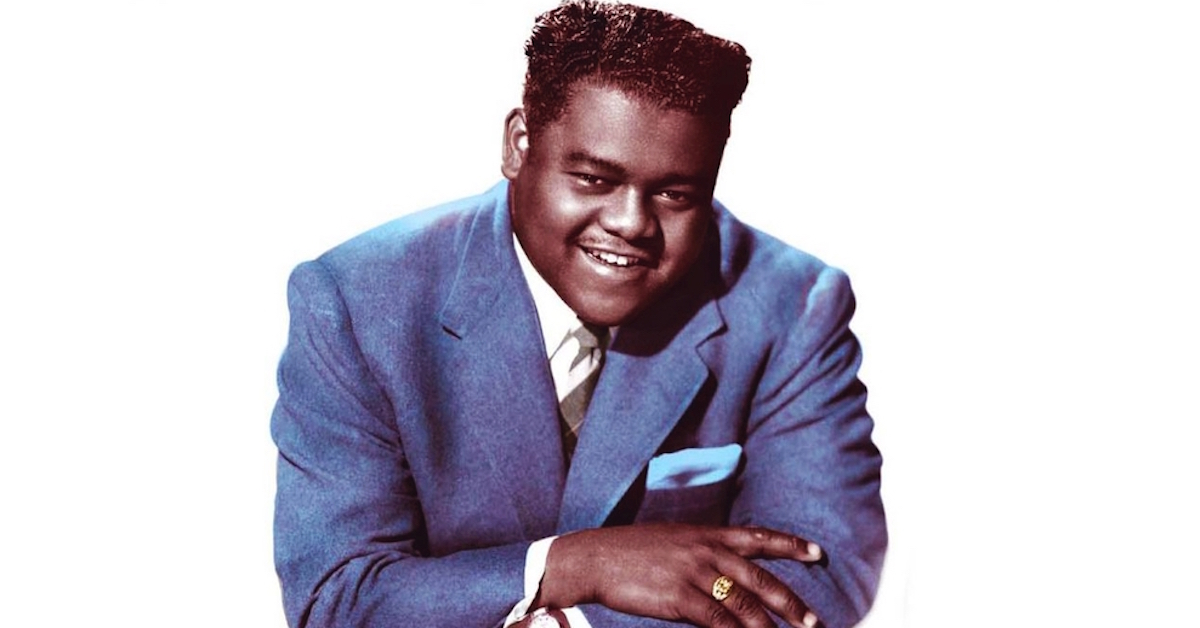
Antoine Domino, born in New Orleans in 1928, was hardly the model rock star: Rotund and sedate compared to some of the others in this class, there was nothing flamboyant about him: He sat at his piano, played it masterfully and sang his songs, nothing more. But audiences just adored him, sending nine of his singles for Imperial Records to #1 on the R&B chart, among them “Ain’t It a Shame,” “Blueberry Hill” and “I’m Walkin’,” each a bona fide classic. It all started in 1950 with “The Fat Man” though, part self-deprecating (“They call, they call me the fat man, ’cause I weigh two hundred pounds/All the girls they love me, ’cause I know my way around”), part silliness (endless falsetto repetitions of “wah wah wah wah”) and undeniably rollicking, creating a template for countless NOLA hits that followed.
 The Everly Brothers—“I’m Here to Get My Baby Out of Jail”
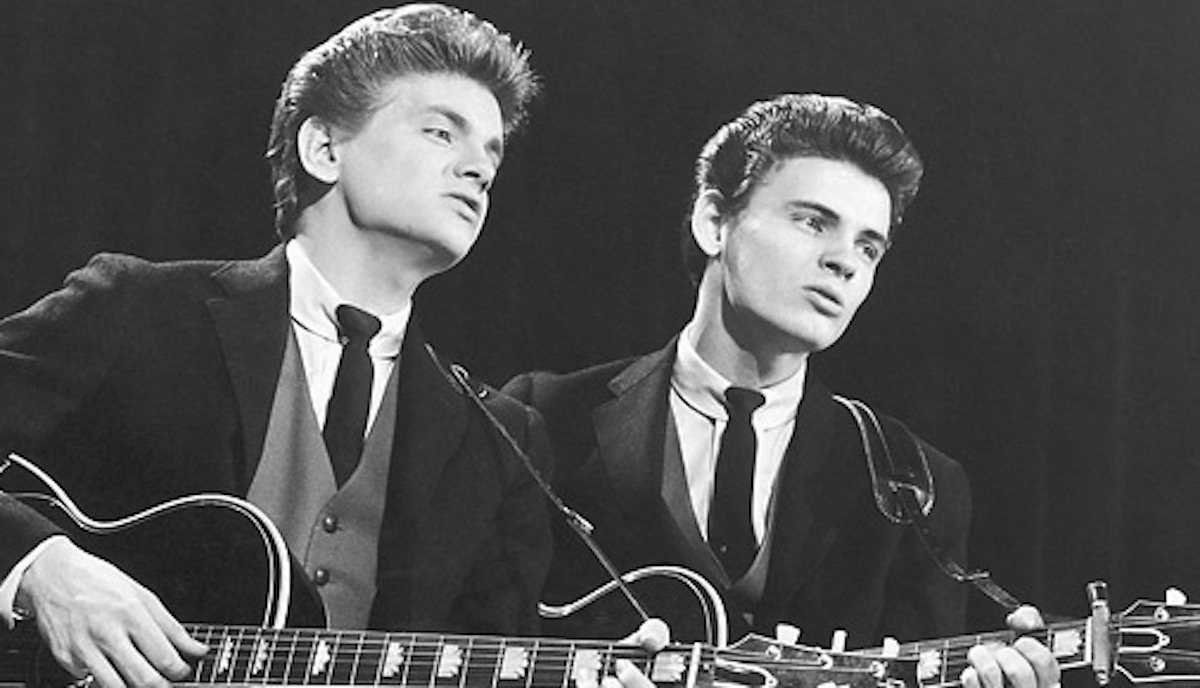
Don and Phil Everly took a big risk in 1958 that could have cut their career short just as they were finding fame. Although they’d been singing together since they were kids, as part of a family group, making the move to rock and roll via the big hits “Bye Bye Love,” “Wake Up Little Susie” and “All I Have to Do is Dream” in 1957 and early ’58, for their sophomore album they chose to forsake all of that and cut a dozen songs they’d learned and loved during those pre-rock days. Their label, Cadence Records, put out Songs Our Daddy Taught Us in late ’58 and it did surprisingly well, even though it included old folk and country material, much of it attributed to “Traditional,” including this non-charting tearjerker written in 1934.
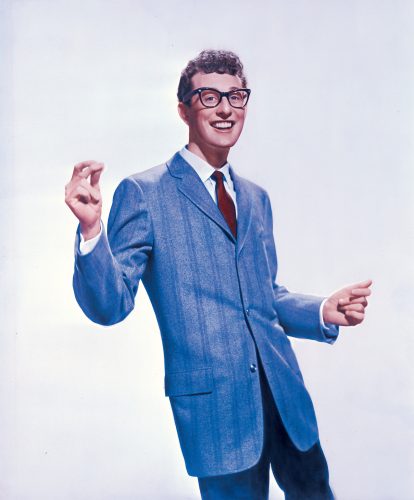
Buddy Holly—“Raining in My Heart”
Considering he lost his life after just a few years in the spotlight, Buddy Holly managed to leave behind a wealth of classic songs, from raving rockers (“Oh Boy!,” “Peggy Sue”) to tender ballads (“Everyday”). “Raining in My Heart” falls into the latter slot and is absolutely gorgeous; delicate and heartfelt, it presents a hint of one of several directions in which Holly might have gone if he’d missed that plane. Written by Felice and Boudleaux Bryant, the same couple responsible for many of the Everly Brothers’ hits, the track, which used orchestral backing and dispensed with Holly’s band the Crickets, was released on Coral Records just a month before Holly’s death, as the B-side of “It Doesn’t Matter Anymore.” It peaked at #47 in Billboard, while the A-side climbed to #13. “Raining in My Heart” was later covered by the likes of Leo Sayer, Dean Martin, the Dave Clark Five and Status Quo.
Related: Our review of a reissue of Buddy Holly & the Crickets’ debut LP
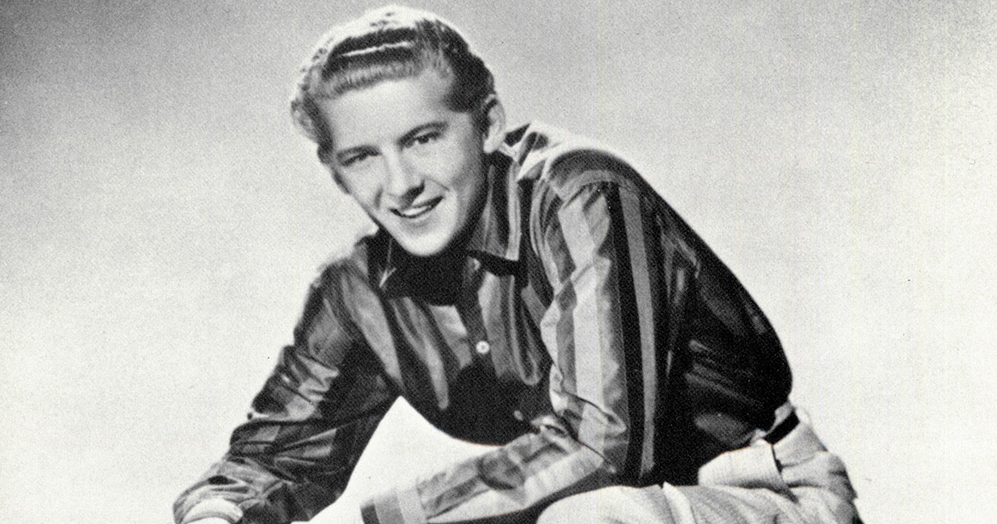
Jerry Lee Lewis—“High School Confidential”
“The Killer” cut his first side for Sun Records, a country tune called “Crazy Arms,” in 1956 but really arrived the following year and early ’58 with three back-to-back Top 10 smashes: “Whole Lot of Shakin’ Goin’ On,” “Great Balls of Fire” and “Breathless,” each a Top 10 hit that is now considered a rock and roll classic. The followup, “High School Confidential,” co-written by Lewis and Ron Hargrave, didn’t perform quite as well, peaking at #21, but was every bit as rockin’. It will forever be associated with Lewis’ lip-synced performance, shown as the credits rolled, during the opening scene of the film of the same name, which starred Mamie Van Doren and Russ Tamblyn.
Little Richard—“The Girl Can’t Help It”
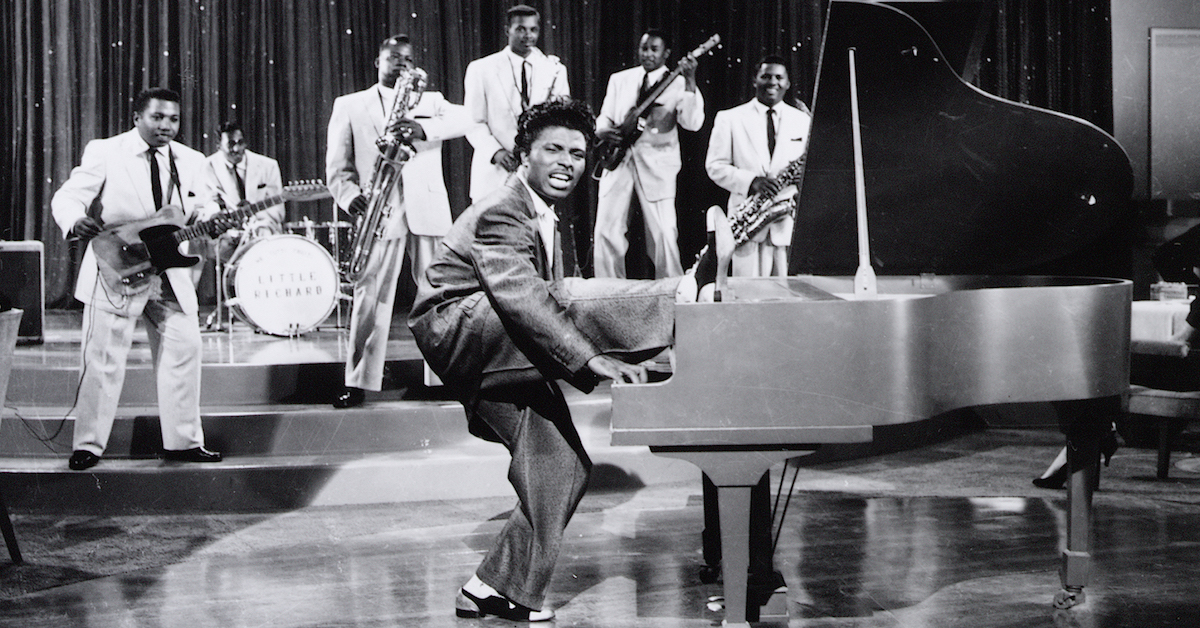
Another title song from a lovable B-movie starring a buxom blonde (this time Jayne Mansfield), “The Girl Can’t Help It” was written by Bobby Troup (of “Route 66” fame) and released in late 1956 on Specialty Records. Richard Penniman had already been making records for several years by that time and had already logged such timeless cornerstones as “Tutti Frutti,” “Long Tall Sally” and “Rip It Up.” “The Girl Can’t Help It” didn’t do much to advance his fortunes, topping out at #49 on the U.S. pop chart (it did make #7 R&B), but it’s every bit as wild as the other Little Richard staples of the day. Trivia note: The film’s producers originally wanted Fats Domino to record the title track; as great as he was, it’s hard to imagine he would have done it justice.
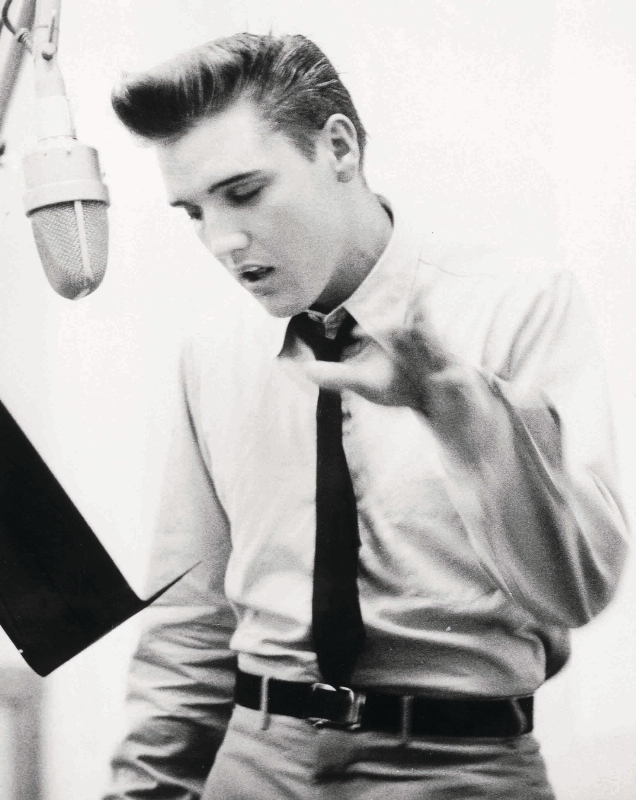
Elvis Presley—“I Want You, I Need You, I Love You”
This piece is supposed to be about “little remembered” recordings by rock’s early giants, and of course, Elvis Presley was such a gargantuan star that nearly everything he did during those early years found an audience and is still loved today. But some songs admittedly have more staying power than others, and sadly, this one, despite having topped the chart during Presley’s breakout year, 1956, seems to have slipped between the cracks. A midtempo blues, written by Maurice Mysels and Ira Kosloff, “I Want You, I Need You, I Love You” is deserving of much more attention, as it brings out the best in Presley’s interpretive abilities and elastic vocal dynamics. Every syllable is sung to perfection, with Presley moving seamlessly from smooth crooning to unexpected stop-and-go breaks that give the song an undeniable tension. (Interestingly, the finished recording was made up of two takes spliced together.) The King is in complete control here on his seventh RCA Victor single, the musicians provide precisely what he needs and while it may never be considered alongside “Don’t Be Cruel” or “Jailhouse Rock,” it’s as powerful as his rockers and more dramatic ballads.
[The King’s recordings, including a slew of recent box sets, are available in the U.S. here, in Canada here and in the U.K. here.]



No Comments so far
Jump into a conversationNo Comments Yet!
You can be the one to start a conversation.