
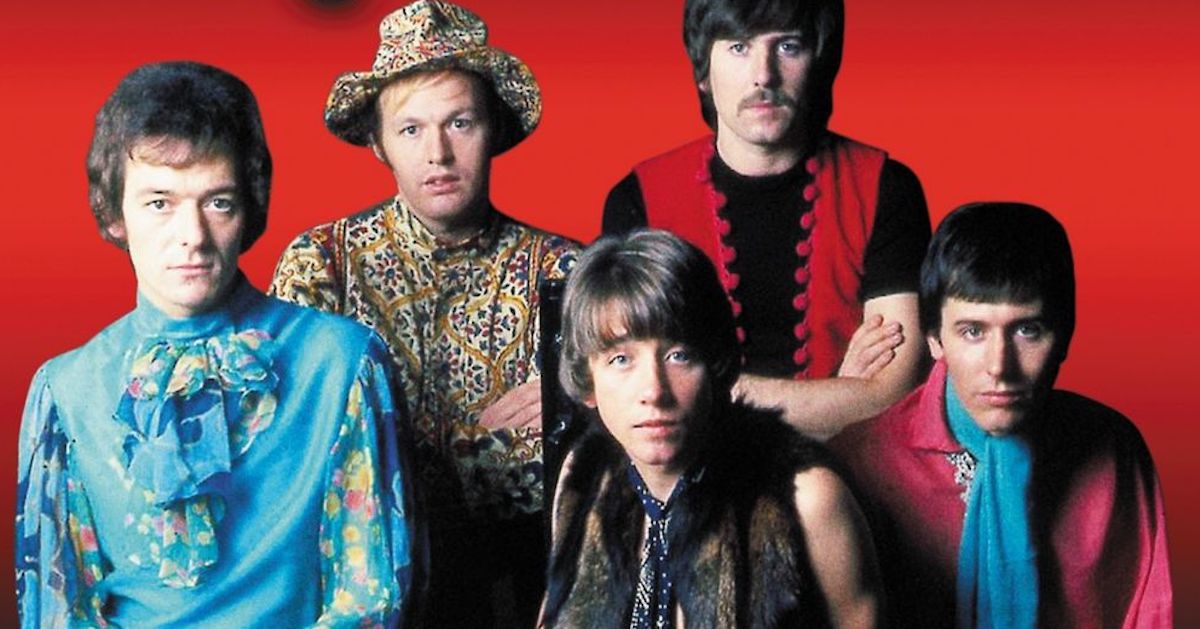
The Hollies
The Billboard pop charts of 1966 were filled with songs that have remained staples of oldies radio, but plenty of other worthy records have gradually slipped from view. Some were major hits at the time, others marked important moments in an artist’s career, and all deserve another listen well over half a century later.
These 12 selections revisit a year when rock, folk-pop and harmony groups shared the charts, reminding us that familiar names often have overlooked gems beyond the songs everyone remembers.
Tommy Roe—”Hooray for Hazel” (Sweet Pea)
Coming on the heels of his previous smash, this bright, hook-filled single became another Top 10 hit for Tommy Roe, reaching #6 on the Hot 100. It may lack the staying power of “Dizzy,” but its effortless charm remains unmistakable.
The Four Seasons—”Opus 17 (Don’t You Worry ‘Bout Me)” (Working My Way Back to You)
Frankie Valli’s driving, natural vocals power this U.S. top 15 hit, one that often sits in the shadow of the group’s other classics from the era. Saving his signature falsetto for the dramatic closing fade, the melody remains every bit as irresistible as their biggest successes. [Frankie Valli and the Four Seasons recordings are available here.]
Petula Clark—”I Couldn’t Live Without Your Love” (I Couldn’t Live Without Your Love)
Another polished Tony Hatch production, this sophisticated pop single extended an extraordinary run of American hits, climbing to #9. It deserves to be remembered alongside “Downtown” and “My Love.” [Her recordings are available in the U.K. here, in the U.S. here and in Canada here. Her memoir, Is That You, Petula?, is available in the U.K. here and in the U.S. here.]
The Hollies—”I Can’t Let Go” (Would You Believe?)
Released months before “Bus Stop,” this hard-driving single, co-written by Al Gorgoni and Chip Taylor, highlighted Allan Clarke’s commanding lead vocal and reached the U.S. top 50. The ringing harmonies remain pure British Invasion magic. Linda Ronstadt recorded a notable version in 1980.
Los Bravos—”Black Is Black” (Black Is Black)
The Spanish quintet scored an international breakthrough with this driving rocker, reaching #4 in the U.S. Led by German-born singer Mike Kogel, its opening riff remains instantly recognizable.
Crispian St. Peters—”The Pied Piper” (Follow Me…)
An international top 5 smash, this upbeat favorite paired an instantly memorable refrain with easygoing optimism. Its commercial impact has far outlasted its presence on oldies playlists.
Related: One decade later… Overlooked songs of 1976
Mitch Ryder & the Detroit Wheels—”Little Latin Lupe Lu” (Breakout…!!!)
Released alongside the group’s legendary medleys, this explosive standalone single showcased Ryder‘s powerhouse vocal style. Few records captured the excitement of the Detroit outfit’s live performances so well.
The Chiffons—”Sweet Talkin’ Guy” (Sweet Talkin’ Guy)
Three years after “He’s So Fine,” the group returned to the Top 10 with sparkling harmonies and another irresistible hook. It ranks among the strongest late entries of the girl-group era. The song was written by Doug Morris, who later became the most senior executive at all three major U.S. record label groups (Warner, Universal and Sony).
The Critters—”Mr. Dieingly Sad” (Younger Girl)
The group’s biggest hit climbed to #17 on the Billboard Hot 100 with lush harmonies and an unforgettable chorus. It remains a polished example of harmony-driven pop at its mid-’60s best.
Bobby Darin—”If I Were a Carpenter” (If I Were a Carpenter)
Tim Hardin’s contemporary folk composition provided the foundation for one of Darin’s most convincing reinventions. The performance earned Grammy nominations and reflected an artist embracing a changing musical landscape.
The Sandpipers—”Guantanamera” (Guantanamera)
Combining the traditional Cuban standard with polished folk-pop harmonies, the trio transformed an international favorite into a U.S. Top 10 hit. Few crossover records from the period remain as distinctive.
Bob Lind—”Elusive Butterfly” (Don’t Be Concerned)
Built around poetic lyrics and an elegant folk-pop melody, this signature recording reached the Top 10 early in 1966. Its quiet sophistication anticipated the singer-songwriter movement that soon followed.
Related: Our interview with Lind






3 Comments so far
Jump into a conversationGod, how I loved those songs. It was a magical time for music, and we will not see its like again. I was a junior in high school in 1966, and I was so fortunate to be alive then.
I was also a junior in high school in ’66 and fondly remember all of the songs except for Mitch Ryder’s cover of Little Latin Lupe Lu, which happened to be written by The Righteous Brothers’ Bill Medley and was the Brothers first charted song.
All these songs were popular where I grew up in NE Ohio, except for the Mitch Ryder song. Liked all of these really, especially Sweet Talkin Guy”.