
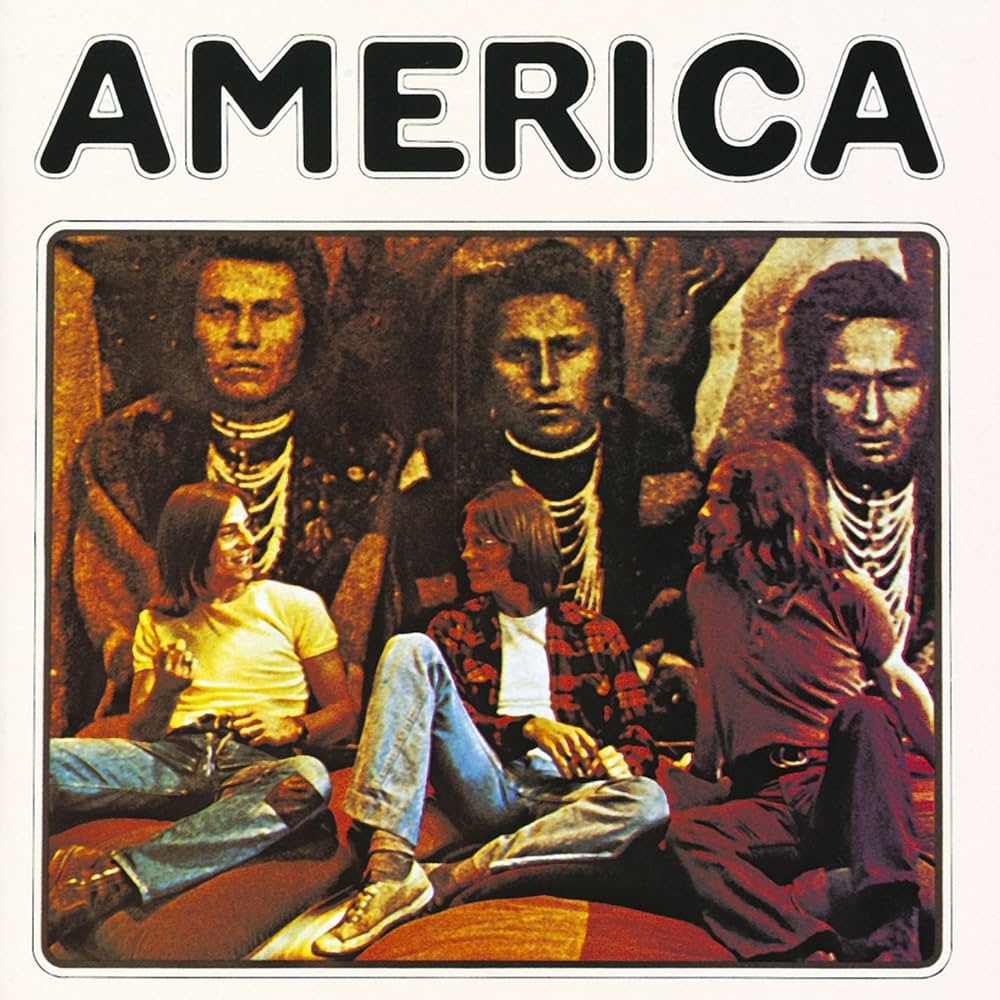
Many thought, at first, that “A Horse With No Name” was Neil Young’s followup single to “Heart of Gold.”
You may be forgiven if, upon listening to these songs for the first time, you assumed you were hearing a recording by a more familiar, more successful, artist. And when you came to realize that that wasn’t the case at all, you may have thought to yourself that, as the saying goes, “imitation is the sincerest form of flattery.” But what if that similarity simply comes naturally?
Here are 15 cases in point.
Bobby Vee and the Shadows—“Suzie Baby”—When Buddy Holly died in the plane crash that also took the lives of Ritchie Valens and the Big Bopper in early 1959, Robert Velline and his band from Fargo, N.D., were summoned to fill some of the remaining Upper Midwest tour dates. This, the newly renamed Bobby Vee’s first single, sounding like an early Buddy Holly demo, was released later that year and cracked the charts, introducing one of the most popular artists of the early 1960s. In 1962, at the height of his success, he made an album with Buddy Holly’s band, Bobby Vee Meets the Crickets.
Joe Barry—“I’m A Fool to Care”—Like his obvious inspiration Fats Domino, swamp-pop pioneer Joe Barry hailed from Louisiana. Having moved to New Orleans in 1957 and launched his recording career the following year, this single, a revival of a country standard by Ted Daffan from the 1940s, was a national hit in 1961, even charting higher R&B than pop. Fats Domino himself cut the song three years later.
Ral Donner—“You Don’t Know What You’ve Got (Until You Lose It)”—Ral Donner broke through in 1961 with his cover of “The Girl of My Best Friend,” a song RCA Victor somehow neglected to release as a single from Elvis Is Back, the King’s first album after his discharge from the Army. He then scored an even bigger hit with this one later that year.
The Knickerbockers—“Lies”—In 1965, in the heat of the British Invasion, a band from New Jersey hit the top 20 with this seemingly authentic Merseybeat single and was barely ever heard from again.
Related: Our feature story on the Knickerbockers and “Lies”
The Bobby Fuller Four—“I Fought the Law”—Longtime Buddy Holly associate and latter-day Cricket Sonny Curtis wrote it, the Crickets cut it first (after Holly’s death), and the Clash famously covered it, but this version was the hit, in 1966. The answer to the question what would Buddy Holly and the Crickets have sounded like had Holly lived?
The Walker Brothers—“The Sun Ain’t Gonna Shine Anymore”—A failed solo single by Frankie Valli sans the Four Seasons in 1965, it became the Walker Brothers’ signature song when they released it the next year in the wake of the Righteous Brothers’ phenomenal success with the Phil Spector-produced “You’ve Lost That Lovin’ Feelin’.” Like the Righteous Brothers, the Walker Brothers were, in fact, not brothers at all.
Los Bravos—“Black Is Black”—The band was from Spain, its singer from Germany, and its sound all-American, specifically that of Gene Pitney, whose run of big hits had run out when this hit it big in 1966. At the time it was thought by some that Pitney had staged a comeback with a more contemporary sound.
Badfinger—“No Matter What”—A band named the Iveys changed its name to Badfinger and immediately went top 10 in 1970 with “Come and Get It,” written and produced by Paul McCartney. No surprise then that it the sounded like the Beatles. But then, so too did this one later that year—very much in the mature Beatles style—with no participation by any of the four lads from Liverpool.
Tin Tin—“Toast and Marmalade for Tea”—Although Mancunian, i.e., from Manchester, England, the three Bee Gees spent their formative years in Australia. Tin Tin was from Melbourne, Australia, but went to the U.K. to seek success in the music business. During a fallow period in the Bee Gees’ career Maurice Gibb heard something in their sound, produced this single, and emerged with a top 10 hit in Australia, top 20 in the US, in 1971.
America—“A Horse with No Name”—Neil Young was riding high with his single “Heart of Gold” and the album Harvest in 1972. This song, written and sung by Dewey Bunnell, supplanted “Heart of Gold” at #1 on the charts. Many thought, at first, that it was Young’s followup single but, upon reflection, realized that Neil was unlikely to have come up with a line like “the heat was hot.”
William DeVaughn—“Be Thankful for What You Got”—Of a piece with Curtis Mayfield’s then-recent blaxploitation hits like “Superfly” and “Freddie’s Dead,” this Washington, D.C.-based singer-songwriter-guitarist hit the top 5 of the charts with this single in 1974.
Scott Wilk + The Walls—“Suspicion”—A Chicago-based new wave outfit that caught some flak for sounding so much like Armed Forces-era Elvis Costello and the Attractions and were never heard from again. They deserved better. Too bad they never had the chance to develop further—their 1980 album showed real promise.
John Cafferty and the Beaver Brown Band—“On the Dark Side”—As Eddie and the Cruisers they wrote and recorded the soundtrack for the film of that name and hit top 10 paydirt with this song when the movie hit home video and cable TV in 1984. From New England, not the Jersey Shore.
New Radicals—“You Get What You Give”—The multi-talented Gregg Alexander was the brains behind New Radicals. Here he picks up where Todd Rundgren might have arrived had he pursued the musical course he charted in the early 1970s. A hit single from the band’s sole album Maybe You’ve Been Brainwashed Too in 1999, rather than following it up Alexander then moved on to an eclectic—and successful— mix of songwriting and production work over the decade ahead.
The Cactus Blossoms—“No More Crying the Blues”—Over the years many artists have paid tribute to the Everly Brothers from, among others, Simon and Garfunkel (including “Bye Bye Love” on Bridge Over Troubled Water) to Rockpile mates Dave Edmunds and Nick Lowe (as the Beverly Brothers on an EP attached to their band’s one and only album), to the unlikely duo of Norah Jones and Billie Joe Armstrong of Green Day on their album foreverly (in which they perform all12 of the songs on Don and Phil’s Songs Our Daddy Taught Us). The Cactus Blossoms are fronted by real-life brothers Jack Torrey and Page Burkum from Minneapolis; this song was featured on their debut album, 2016’s You’re Dreaming.



2 Comments so far
Jump into a conversationTwo that come to mind are Tommy Roe’s ‘Sheila’, which picks up where ‘Peggy Sue’ and Buddy finished.
And The Peppermint Rainbow’s ‘Will You Be Staying After Sunday’ was supposedly pitched to Spanky and Our Gang. Would have completed the Sunday trifecta.
Then there’s “Stuck in the Middle with You” by Stealer’s Wheel, which sounds like a prize Bob Dylan track during his panned Self Portrait period. He came up with a great album with The Band on Planet Waves.