
Pat Benatar’s ’80s Reign: 10 Tracks That Defined the Female Arena-Rock Blueprint
by Shrinivas Kodape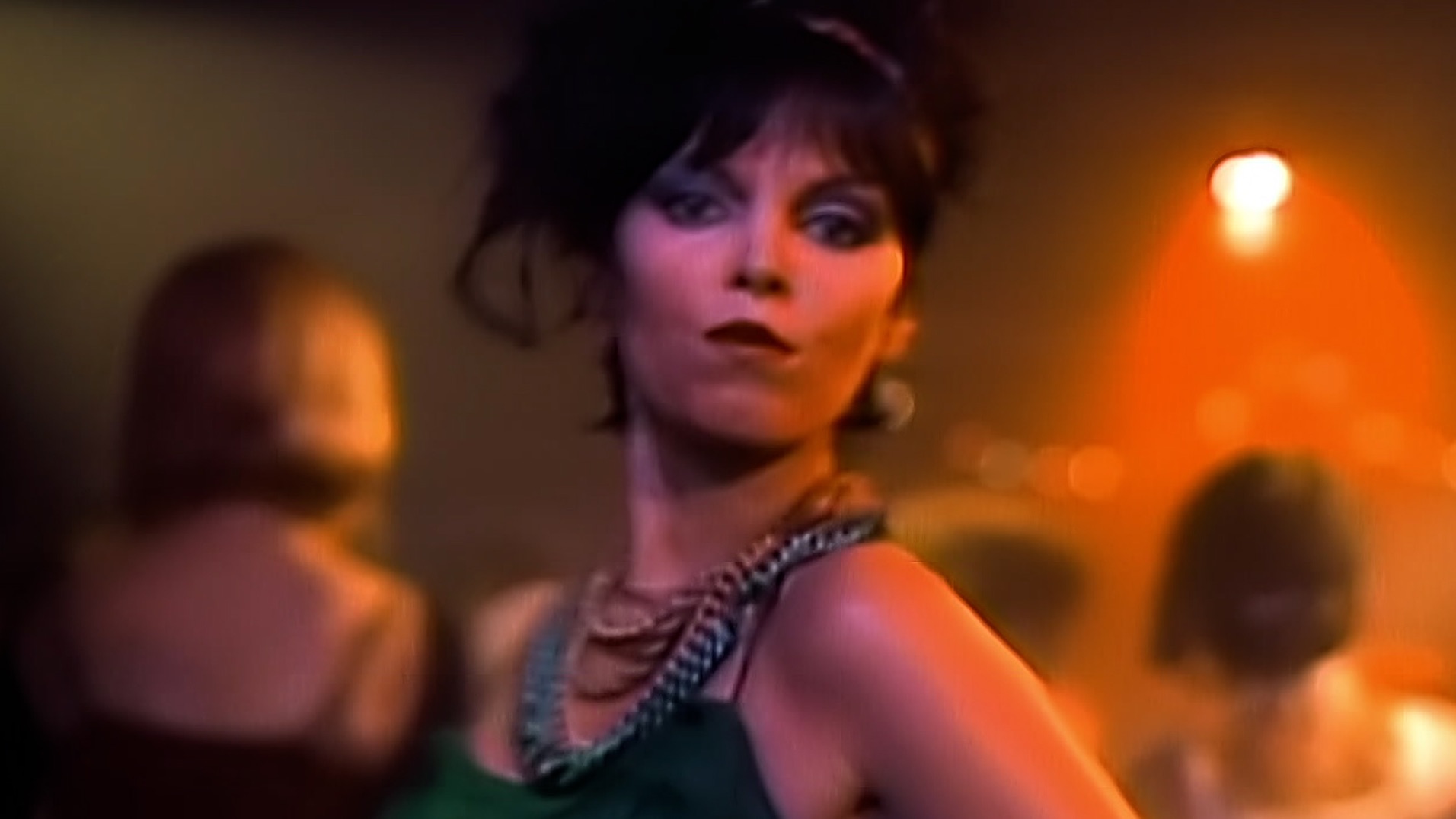
Pat Benatar in the “Love is a Battlefield” video.
With four top 10 singles during the ’80s, and several best-selling albums, Pat Benatar was a major presence during that decade and a huge influence on other artists, especially other female rockers. Working with guitarist/producer Neil Giraldo, who became her husband in 1982, she effortlessly bridged hard rock, new wave and sincere power ballads, a mix that proved a winner for her repeatedly.
Benatar, born Patricia Mae Andrzejewski on January 10, 1953, in Brooklyn, N.Y., was the recipient of four consecutive Grammy Awards for Best Female Rock Vocal Performance from 1981 to 1984. Her videos were embraced by MTV from its earliest days, starting with “You Better Run,” the second clip the network ever aired. Benatar and Giraldo were inducted into the Rock & Roll Hall of Fame in 2022.
Here are 10 of the songs that defined her reign, beginning with a 1979 pair that made all that happen.
“I Need a Lover” (1979)
Written and originally recorded by John Mellencamp, then known as Johnny Cougar, this song was one of Benatar’s marquee numbers in her early live shows, and one of the strongest tracks on her debut album In the Heat of the Night, which peaked at #12 on the Billboard 200. Benatar’s single never charted on the Hot 100—Mellencamp‘s label won the battle of releases when his version of the song hit #28 on the Hot 100 in December ’79. But she received significant acceptance from rock stations for the track, which was much harder than his.
“Heartbreaker” (1979)
Written by Geoff Gill and Cliff Wade, the song became Benatar‘s breakthrough single, reaching #23 on the Hot 100. Despite her other blockbusters, it has remained one of the keystones of her arena-rock persona: a set-closer, and the record that established her hard rock mettle. The song has grown even more revered over the years.
“You Better Run” (1980)
Her cover of the Young Rascals classic will forever be tied to the history of MTV. When the cable network launched on August 1, 1981, Benatar‘s video ran in the number two spot, right after the Buggles’ “Video Killed the Radio Star.” The stature gave Benatar a new notability, especially in the eyes of young female viewers. Though the single only charted at #42 on the Hot 100, the popularity of its music video gave the song a second life.
“Hit Me With Your Best Shot” (1980)
Written by Canadian songwriter Eddie Schwartz, this rock radio smash was the second single from Benatar’s album Crimes of Passion, reaching #9 on the Hot 100 and becoming Benatar‘s first Top 10 hit in the U.S., with sales of over one million copies, earning a Gold certification from the RIAA. The album went to #2 on the Billboard 200 for five weeks (kept out of the top spot by John Lennon and Yoko Ono‘s Double Fantasy). At over a million sold, it’s Benatar’s top-selling album.
Related: Our Album Rewind of Crimes of Passion: Her ‘Best Shot’
“Treat Me Right” (1980)
The third winner from Crimes of Passion (#18 on the Hot 100) sharpened the Benatar-Giraldo aesthetic that they were perfecting at the time with producer Keith Olsen: sleek, sharply crafted hooks, hard-rock guitars, and a huge vocal performance.
“Fire and Ice” (1981)
The album‘s lead single, it reached #17 on the Hot 100 and #2 on the rock chart, and earned Benatar her second consecutive Grammy Award for Best Female Rock Vocal Performance. Written by Benatar along with Tom Kelly (“Like a Virgin,” “True Colors,” “Eternal Flame”) and her rhythm guitarist Scott Sheets, the track‘s production by Olsen and Giraldo demonstrated the increasingly more refined feel popular rock was shifting toward in the early ‘80s, and was a calculated departure from the straight-ahead sound of her previous LP. Precious Time, her third album, became her first—and only—to reach #1 on Billboard.
“Shadows of the Night” (1982)
Written by D. L. Byron for the forgettable 1980 film Times Square, the song was reconstructed by Benatar and Giraldo for her fourth studio album, Get Nervous. The single ultimately reached #13 on the Hot 100, and became one of the defining rock radio tracks of the year. Its music video, set during World War II, stars Judge Reinhold as an American fighter pilot and Bill Paxton as a German radio operator.
“Love Is a Battlefield” (1983)
Penned by Holly Knight and Mike Chapman, this was Benatar‘s biggest international success, reaching #5 on the Hot 100 (and #1 on the rock tracks chart), as well as #1 in several countries around the world. The track, one of two studio recordings on her Live from Earth album, earned Benatar her fourth straight Grammy for Best Female Rock Vocal Performance. [While the LP went platinum, her longtime label, Chrysalis, made a colossal marketing error: rather than using a photograph of one of the most recognizable stars of that era on the cover, all that appears is her last name with the title in small type at the bottom.] The Bob Giraldi-directed video, consisting of a narrative about a runaway, use of lip-synced dance sequences and one of the first implementations of spoken dialogue in a music video, became one of MTV‘s most famous narrative-style clips, and helped influence the visual style of the medium.
“We Belong” (1984)
Written by Eric Lowen and Dan Navarro, it was another significant hit, reaching #5 on the Hot 100. The Tropico album took a new direction toward lush pop-rock while still offering Giraldo’s layered guitar approach. The song stands among Benatar‘s characteristic recordings from the middle of the decade, proof that she could reach beyond the core rock sound she and her husband had established.
“All Fired Up” (1988)
The song was penned by Kerryn Tolhurst, a native Australian and ex-member of country-rock group the Dingoes. It was issued as the lead single from her Wide Awake in Dreamland album and its peak at #19 marked the final chart entry of her career on the Hot 100, while earning a Grammy nomination for Best Female Rock Vocal Performance.
Benatar’s recordings are available in the U.S. here and in the U.K. here.



4 Comments so far
Jump into a conversationReally hard to argue with this list, just a shame it doesn’t include Promises In The Dark.
She was a legend the second her first record came out. Such an icon!
I know its hard to pick just 10…but “Hell is for Children”, “Invincible”, and “Promises in the Dark” are pretty darn important.
I remember listening to the King Biscuit Flower Hour on WPLJ in New York in 1981, Pat Benatar’s concert from Austin Texas was featured. What a fantastic show! Have been a fan ever since. She and Neil put out some amazing music.