
13 ’90s Songs from Bands That Follow the Classic Rock Tradition
by Shrinivas Kodape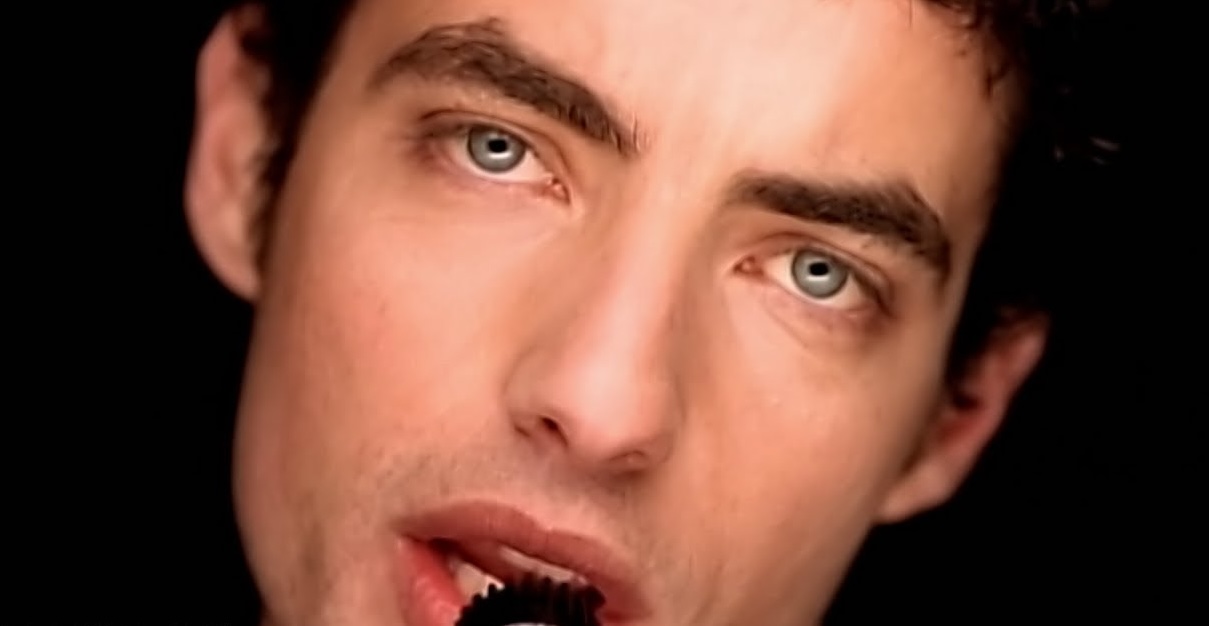
Jakob Dylan of The Wallflowers in 1996.
There was a time when music from the 1990s seemed unlikely to be mentioned in the same breath as the recordings that had long defined classic rock. That time has passed. Many of the decade’s biggest songs have proven remarkably durable, not just nostalgia—thanks to their ubiquitous play on MTV at the time—but records that continue to attract new listeners and hold up under repeated plays.
The following 13 selections have done more than evoke a decade. Through strong songwriting, memorable performances and lasting appeal, they’ve earned their place among rock’s modern standards.
“Alive”—Pearl Jam (Ten, 1991)
Released weeks before the album dropped that August, this track started a slow-burn revolution that eventually tore up the hair-metal grip on rock radio. Mike McCready’s blistering, classic-rock-indebted guitar solo connected the band straight back to the arena-rock gods, helping propel the LP to #2 the following year and a massive 13× platinum certification. Well over 30 years later, it remains the ultimate live centerpiece. [Their significant catalog is available here.]
“No Rain”—Blind Melon (Blind Melon, 1992)
Released as a single, this gorgeous slice of breezy, late-’60s psych-folk took no time to find its footing. Once the iconic “Bee Girl” video flooded MTV in the summer of 1993, Shannon Hoon’s irreplaceable, raspy delivery pushed the single all the way to #1 on the Album Rock Tracks chart. Though heartbreaking tragedy cut the run short, the acoustic warmth has completely outlived its era.
“Mr. Jones”—Counting Crows (August and Everything After, 1993)
This track announced the arrival of a major new songwriting talent in frontman Adam Duritz. With T Bone Burnett behind the board for the release, the jangly track drove the song to #2 on the Modern Rock Tracks Chart and the album to a 7× platinum certification.
“Shine”—Collective Soul (Hints, Allegations and Things Left Unsaid, 1994)
Starting as an indie demo, this track forced its own way onto the airwaves before Atlantic Records smartly swept in for a major-label push in March 1994. From there, the heavy guitar riff and gospel-tinged chorus spent eight weeks at #1 on the Mainstream Rock chart.
“Live Forever”—Oasis (Definitely Maybe, 1994)
While American alternative rock was wallowing in dark and nihilistic angst, the Gallagher brothers looked at the grunge boom and chose to write a massive anthem about survival and absolute possibility. Serving as the glowing heart of the LP, it sparked the Britpop explosion while the album itself became the fastest-selling debut in British history up to that point.
Related: Our Album Rewind of Oasis’ Definitely Maybe
“Black Hole Sun”—Soundgarden (Superunknown, 1994)
Chris Cornell spun this masterpiece’s melodies entirely in his head during a late-night drive home from the studio, sketching out the arrangement on a Gretsch guitar hooked into a Leslie speaker in a mere 15 minutes. It became the crown jewel of their catalog, propelling the album to a #1 debut and earning a Grammy Award for Best Hard Rock Performance.
“I Alone”—Live (Throwing Copper, 1994)
There was a tremendous dynamic tension to the way this Pennsylvania outfit built its hits, and this single is the absolute blueprint. Driven by Chad Taylor’s muscular guitar shifts and an impassioned vocal delivery, the single climbed to #6 on the rock chart.
“One Headlight”—The Wallflowers (Bringing Down the Horse, 1996)
Jakob Dylan firmly stepped out from his father’s massive shadow with this Grammy-winning track, proving he was a formidable rock storyteller in his own right. Backed by a flawless T Bone Burnett production, the late-1996 radio single made history by simultaneously topping the Mainstream Rock, Modern Rock and Triple-A airplay charts.
“Good Riddance (Time of Your Life)”—Green Day (Nimrod, 1997)
Billie Joe Armstrong originally penned this acoustic ballad back in 1993, writing it out of pure frustration following a bad breakup. Jarringly sandwiched near the very end of a loud, aggressive punk record, its stark string arrangement completely shattered genre boundaries. (The song crossed over into mainstream culture as the definitive, bittersweet soundtrack for life’s milestone moments.)
“Loser”—Beck (Mellow Gold, 1993)
A tiny 500-copy independent vinyl pressing was enough to spark an organic college-radio sensation and a massive major-label bidding war. Blending sharp slacker wit with a fearless mix of folk, hip-hop and slide guitar, it peaked to #10 on the Hot 100 to become a definitive alternative breakthrough.
“Iris”—Goo Goo Dolls (Dizzy Up the Girl, 1998)
John Rzeznik utilized an eccentric, open guitar tuning (B-D-D-D-D-D) to give this sweeping ballad its instantly recognizable, shimmering drone. It spent a record-breaking 18 weeks at the top of the Airplay chart. Yet, due to old industry rules regarding promotional singles, it wasn’t allowed to formally enter the Hot 100 until its momentum was already fading.
“You Get What You Give”—New Radicals (Maybe You’ve Been Brainwashed Too, 1998)
Gregg Alexander poured every ounce of his soul into this whirlwind of blue-eyed soul and unbridled optimism. Unleashed via MCA in early November, the track stands today as one of those rare radio masterpieces that instantly lifts a room. [In the U.S., it topped the Adult Alternative Airplay chart but only reached #36 on the Hot 100. The song reached the top 10 in many other countries, including #1 in Canada and #5 in the U.K.] It remains an enduring anthem, even though Alexander completely dissolved the project the following summer to escape the corporate machine.
“Learn to Fly”—Foo Fighters (There is Nothing Left to Lose, 1999)
By the close of the decade, Dave Grohl had pulled off the ultimate second act, successfully trading the Nirvana drum throne for center stage. Ironically, while the album firmly established their permanent touring lineup, Grohl handled the studio drum tracking for this massive hit himself. Leading the charge, the melodic powerhouse secured the band’s very first entry on the Hot 100, peaking at #19.






No Comments so far
Jump into a conversationNo Comments Yet!
You can be the one to start a conversation.