
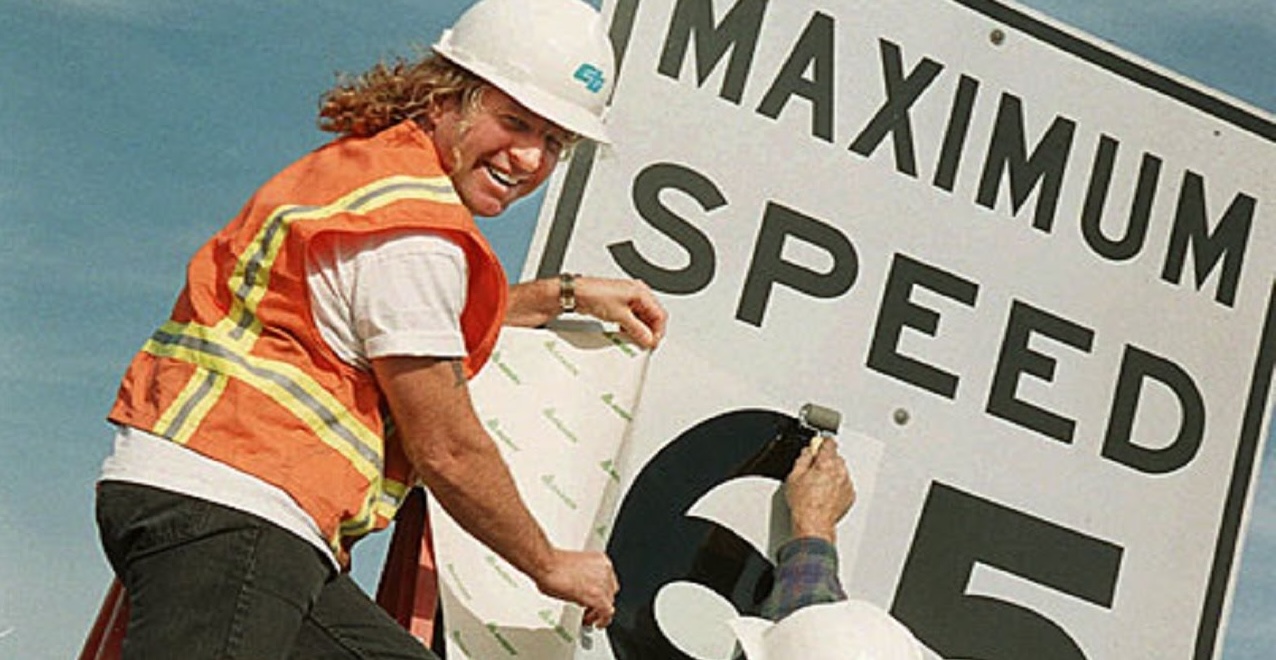
Sammy Hagar, in the video for his signature tune.
Long before he was drafted to front the mighty Van Halen machine, Sammy Hagar had already spent a decade carving out one of the most resilient solo portfolios in hard rock. Emerging from the ashes of Montrose, the Red Rocker didn’t just chase trends; he engineered a blue-collar blueprint for arena rock, shifting effortlessly from high-decibel communal anthems to surprisingly nuanced, introspective ballads.
While his 1984 radar-busting hit remains an inescapable pop-culture touchstone, it only tells a fraction of the story. These 12 essential deep cuts and radio classics showcase the real depth, vocal muscle and enduring staying power of a solo catalog that commands full respect entirely on its own merits.
“Red” (Sammy Hagar, 1977)
The definitive opening salvo of his solo career, this hard-driving rocker permanently established the fiery onstage persona and color scheme that followed him for decades. Its muscular chord changes and relentless vocal energy quickly earned the parent Capitol Records LP its permanent, fan-created nickname: The Red Album.
“Heavy Metal” (Standing Hampton, 1982)
Originally cut for the 1981 animated sci-fi cult film, this explosive anthem became a defining hard-rock soundtrack recording of the arena era. Driven by a pounding rhythm section and scorching guitar work, the identical studio track pulled double duty on his solo LP as a high-decibel celebration of rock culture.
“There’s Only One Way to Rock” (Standing Hampton, 1982)
Born out of frustration with a radio station rejecting his heavier material, this timeless track opens with one of the most recognizable hard-rock riffs of the decade. An enduring concert staple, it later transformed into a massive twin-guitar live highlight when Hagar traded nightly solos with Eddie Van Halen.
“I’ll Fall in Love Again” (Standing Hampton, 1982)
Melody and muscle came together effortlessly on this driving track, proving that radio-friendly pop hooks didn’t require softening the Marshall amplifiers. The song climbed all the way to #2 on the Billboard Mainstream Rock chart, anchoring the platinum album that launched his Geffen Records era.
“Three Lock Box” (Three Lock Box, 1982)
Built around a heavy, slightly funky groove, this title track uses the image of a triple-locked chest as a metaphor for unlocking physical, mental and spiritual potential. The unexpectedly philosophical lyric added a compelling layer of depth to an otherwise hard-hitting radio favorite.
Related: From 2016, Hagar and others rock for charity
“Remember the Heroes” (Three Lock Box, 1982)
Co-written by Journey’s Jonathan Cain and featuring soaring guest vocals from Loverboy’s Mike Reno, this serious, patriotic power ballad tackles the struggles of a wounded veteran returning home. It stands as one of the era’s great, overlooked message songs that pack a massive emotional punch.
“Your Love Is Driving Me Crazy” (Three Lock Box, 1982)
This infectious single gave the Red Rocker his biggest mainstream pop breakthrough of the pre-Van Halen years. The track successfully scaled the charts, peaking at #13 on the Hot 100 and #3 on the Mainstream Rock chart.
“I Can’t Drive 55” (VOA, 1984)
Inspired by an infuriating 2:00 a.m. speeding ticket on an empty upstate New York highway, this high-octane classic became the ultimate middle finger to the federal speed limit. Propelled by massive MTV rotation for its Saugus Speedway video, though the signature hit reached just #26 on the Hot 100 it cemented Hagar’s arena-headliner status.
“Give to Live” (I Never Said Goodbye, 1987)
A heartfelt rocker centered on themes of compassion, this massive creative statement was tracked while Hagar was actively fronting Van Halen. The song’s significant emotional weight deeply resonated with fans, landing him his very first #1 hit on the Billboard Album Rock Tracks chart.
“Eagles Fly” (I Never Said Goodbye, 1987)
Beginning with a gentle acoustic introduction before expanding into a soaring electric chorus, this track remains one of the finest power ballads of the late ’80s. Its uplifting narrative about perseverance and personal freedom showcased a mature songwriting range too often missed by casual listeners.
“High Hopes” (Unboxed, 1994)
Recorded specifically for his 1994 greatest hits compilation, this driving track features an upbeat tempo masking a cautionary, drug-themed lyric about grandiose plans that vanish once you sober up. The fan favorite serves as a brilliant bridge showcasing that his signature vocal grit was completely intact for the alternative era.
“Little White Lie” (Marching to Mars, 1997)
Boasting a rootsy slide groove from Roy Rogers, a harmonica cameo from Huey Lewis and a blistering solo from Slash, this gritty track served as a defiant post-Van Halen comeback statement. The thunderous single dominated rock radio, topping the Mainstream Rock chart for five consecutive weeks.
Sammy was born on Oct. 13, 1947. The Red Rocker’s recordings are available in the U.S. here, in Canada here and in the U.K. here.




1 Comment so far
Jump into a conversationThis Planet’s on Fire !!