
One of the recordings that made 1971 so special.
There’s a strong case that 1971 was Ground Zero for classic rock’s greatness. The experimentation of the late ’60s had evolved into music that was heavier, more ambitious and more expansive, while an extraordinary number of major artists delivered career-defining work.
Narrowing the year to 15 songs is nearly impossible. These are some of the recordings that best capture what made 1971 so remarkable, with plenty of worthy contenders left for a possible second edition.
“Won’t Get Fooled Again”—The Who (Who’s Next)
Pete Townshend’s synthesizer-processed organ pulse gives way to one of The Who’s most powerful performances. Then comes Roger Daltrey’s climactic scream—a moment that remains as startling today as it was when the single peaked at #15 on the Hot 100.
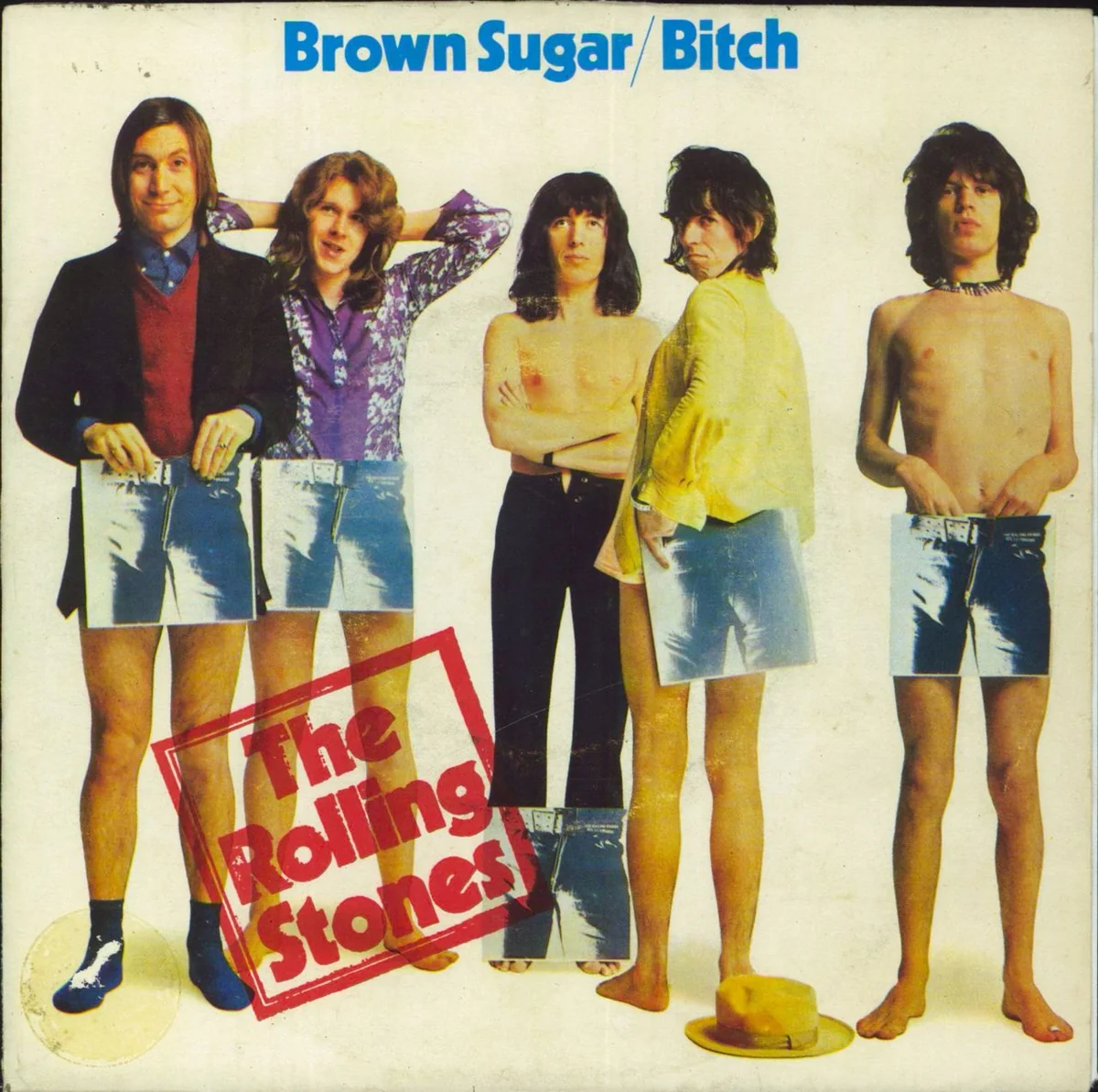
“Brown Sugar”—The Rolling Stones (Sticky Fingers)
One of rock’s great opening riffs launches a swaggering performance built on Keith Richards’ guitar, Charlie Watts’ rhythm and Bobby Keys’ scorching saxophone. It captured the Stones at the height of their early-’70s powers, becoming a #1 hit on the Billboard Hot 100.
“Maggie May”—Rod Stewart (Every Picture Tells a Story)
Originally released as the B-side to “Reason to Believe,” it quickly became the hit nobody saw coming. Ray Jackson’s soaring mandolin, acoustic guitars and Stewart’s weathered vocal gave him a signature recording and helped propel both the single and album to #1 simultaneously in the U.S. and U.K.
“Aqualung”—Jethro Tull (Aqualung)
Martin Barre’s heavy riff gives this character study its muscle, while Ian Anderson’s writing keeps it far removed from conventional hard rock. Though never released as a single in the U.K. or U.S., it became a cornerstone of the band’s catalog and one of 1971’s defining examples of progressive rock’s mainstream reach.
“Riders on the Storm”—The Doors (L.A. Woman)
Rain, thunder and Ray Manzarek’s hypnotic Fender Rhodes electric piano create an atmosphere unlike anything else on this list. As the final track on the last studio album made with Jim Morrison before his death in July 1971, it carries an eerie sense of finality that only adds to its legacy (peaking at #14).
“The Low Spark of High Heeled Boys”—Traffic (The Low Spark of High Heeled Boys)
Nearly 12 minutes long and completely unconcerned with conventional radio structure, this Steve Winwood-Jim Capaldi composition was made for the emerging FM album-oriented rock audience. Its hypnotic groove and jazz-inflected improvisation captured rock stretching far beyond the boundaries of the three-minute single.
“Whipping Post”—The Allman Brothers Band (At Fillmore East)
This is the version that made the song legendary. Recorded live at New York’s Fillmore East in March 1971, the 22-minute performance showcased the band’s improvisational fire and dual-guitar harmony between Duane Allman and Dickey Betts, becoming one of the defining moments of the live-rock era.
“I’d Love to Change the World”—Ten Years After (A Space in Time)
Alvin Lee was already celebrated for his blistering electric guitar playing, but this offered something more reflective. Its acoustic verses, heavier chorus and weary social commentary on Vietnam and civil unrest gave the band their only U.S. Top 40 single.
“I’m Eighteen”—Alice Cooper (Love It to Death)
Suddenly, teenage alienation had a signature riff. The blunt chorus and sneering vocal turned adolescent uncertainty into a hard-rock anthem, reaching #21 on the Hot 100 and announcing that the Alice Cooper band was ready for the mainstream.
“The Story in Your Eyes”—The Moody Blues (Every Good Boy Deserves Favour)
This was the Moody Blues with the volume turned up. Justin Hayward’s guitar-driven rocker gave the group a harder edge while retaining the melodic sophistication that had become their trademark, climbing to #23 on the Billboard Hot 100.
“Imagine”—John Lennon (Imagine)
The arrangement is deceptively simple; the cultural impact is anything but. Built around a spare piano performance, Klaus Voormann’s bass and an unforgettable melody, it reached #3 on the Hot 100 to become Lennon’s signature solo recording and one of the most enduring songs of the era.
“Me and Bobby McGee”—Janis Joplin (Pearl)
Released after Joplin’s death in October 1970, this became her only #1 hit on the U.S. Hot 100 in March 1971. She took Kris Kristofferson’s country song and made it entirely her own, moving from conversational intimacy to full-throated soulful power.
“American Pie”—Don McLean (American Pie)
This eight-minute epic of rock history, Americana and cryptic imagery became a massive cultural phenomenon, topping the charts in early 1972. Its lyrics have fueled decades of interpretation, while its sweeping melody turned it into a permanent landmark in the rock canon.
“It’s Too Late”—Carole King (Tapestry)
Not every defining recording of 1971 needed distortion or a screaming guitar. Featuring Curtis Amy’s soprano sax solo and Danny Kortchmar’s understated guitar, this sophisticated breakup song topped the Hot 100 for five weeks and captured the emotional maturity of the singer-songwriter movement.
“Stairway to Heaven”—Led Zeppelin (Led Zeppelin IV)
Did you think we’d omit this one? Few rock songs have had a more significant afterlife. From its quiet acoustic opening to Jimmy Page’s towering guitar climax, it became an FM-radio staple—famously without ever being released as a commercial single in the U.S. or U.K.—and decades later remains a defining pillar of classic rock, routinely cited among the greatest rock songs ever recorded.
Related: A book makes the claim that 1971 was the best year for rock




No Comments so far
Jump into a conversationNo Comments Yet!
You can be the one to start a conversation.