
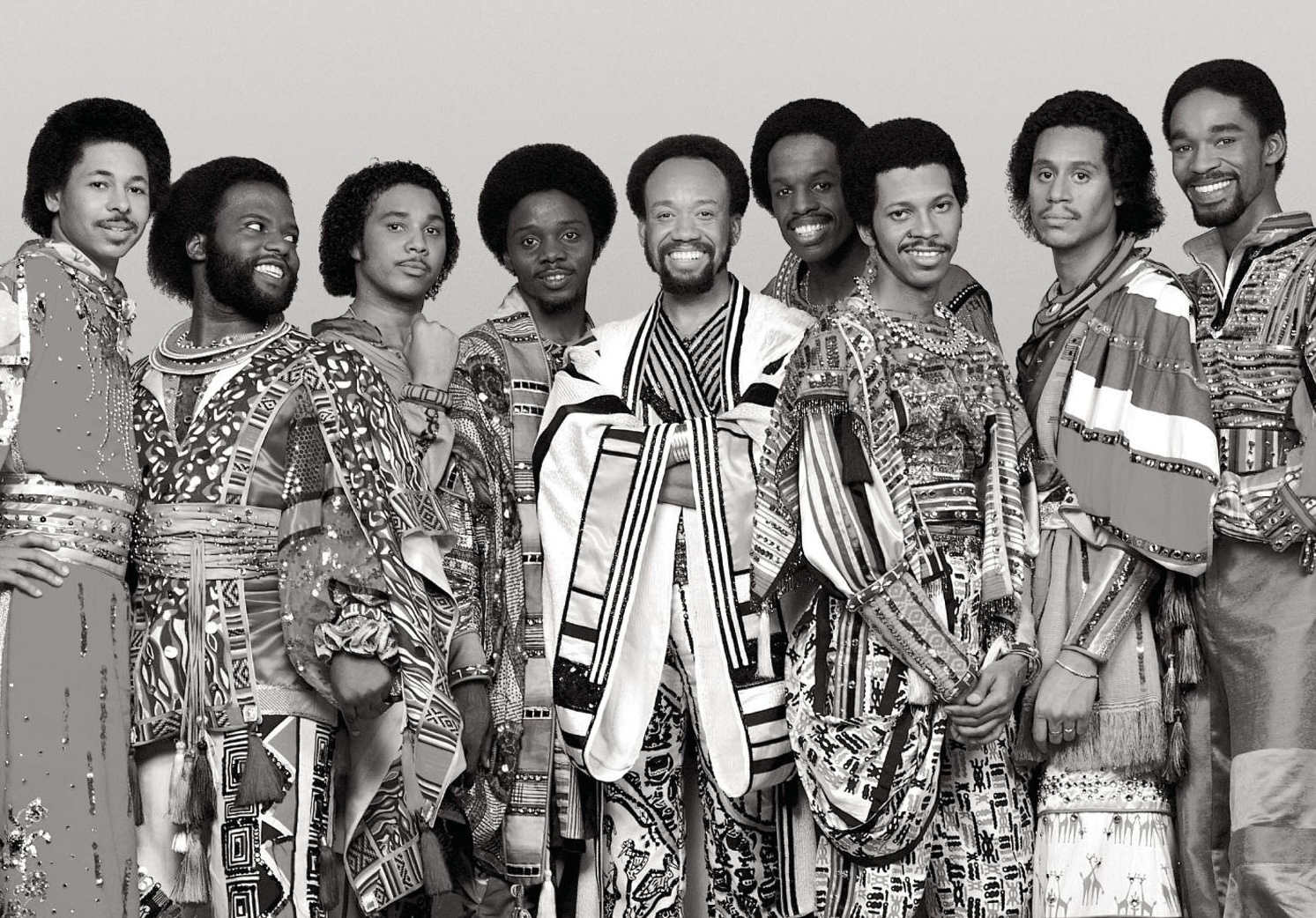
Earth, Wind & Fire are represented with “Sing a Song”
In our look at the great blues and soul-jazz recordings of the early 1970s, we explored the music that helped define the decade’s opening years. A few years later, soul was reaching new creative heights, with orchestral arrangements, Southern funk and the growing influence of disco giving the music an exciting new dimension.
It was a period of remarkable variety. These 12 recordings capture the vitality and range of soul music between 1974 and 1976. (Note: we’ve omitted songs from Motown as the label has been well-represented with other listicles we’ve published.)
Labelle—“Lady Marmalade” (Nightbirds/Epic, 1974)
Produced by Allen Toussaint, this New Orleans-flavored classic announced itself with an unforgettable opening and an exuberant vocal arrangement. Patti LaBelle, Nona Hendryx and Sarah Dash brought tremendous personality to the performance, helping propel the trio to the top of the Hot 100. Its French refrain became one of the decade’s most recognizable hooks.
Barry White—“Can’t Get Enough of Your Love, Babe” (Can’t Get Enough/20th Century, 1974)
Lush strings, a seductive rhythm and one of popular music’s most recognizable baritone voices made this an irresistible combination. The singer’s unmistakable production style gave romantic soul a grand orchestral sweep while retaining an intimate quality. The result became his first solo #1 single on the Hot 100, following his instrumental chart-topper “Love’s Theme” earlier that year.
George McCrae—“Rock Your Baby” (Rock Your Baby/T.K., 1974)
Built around a hypnotic rhythm track created by Harry Wayne “KC” Casey and Richard Finch, this infectious dance-floor favorite helped establish the sound that would soon dominate disco. The vocalist’s smooth, effortless delivery proved the perfect fit, turning the recording into an international sensation. Its success also helped put Miami’s T.K. Records on the musical map.
The Stylistics—“You Make Me Feel Brand New” (Let’s Put It All Together/Avco, 1974)
The interplay between Russell Thompkins Jr.’s soaring falsetto and Airrion Love’s deeper voice gives this beautiful ballad much of its emotional depth. Written by Thom Bell and Linda Creed, it showcases the sophisticated arrangements and exquisite harmonies that made Philadelphia soul so distinctive. It remains one of the group’s most cherished performances.
Ohio Players—“Fire” (Fire/Mercury, 1974)
A muscular bass line, sharp horn accents and an unapologetically funky groove give this performance its unmistakable swagger. The Dayton, Ohio, group’s combination of instrumental precision and raw energy made it a formidable presence on the decade’s R&B charts, topping both the Hot 100 and the Billboard 200 album chart in early 1975.
MFSB featuring The Three Degrees—“TSOP (The Sound of Philadelphia)” (Love Is the Message/Philadelphia International, 1973)
Created as the theme for Soul Train, this magnificent instrumental became an enduring showcase for the Philadelphia International sound. The house orchestra’s expansive arrangement provides the foundation, while the vocal trio contributes the memorable refrain. It went on to become the first television theme to reach #1 on the Hot 100.
Roberta Flack—“Feel Like Makin’ Love” (Feel Like Makin’ Love/Atlantic, 1975)
Eugene McDaniels’ composition gave the singer the opportunity to demonstrate the quiet confidence and emotional subtlety that distinguished her finest work. A delicate arrangement leaves plenty of room for her expressive phrasing, creating an atmosphere of effortless intimacy. Originally issued as a single in mid-1974 ahead of its 1975 title album, the recording reached #1 on the Hot 100 and earned three Grammy nominations.
Earth, Wind & Fire—“Sing a Song” (Gratitude/Columbia, 1975)
Few groups could combine funk, soul, jazz and pop with the same exuberance. Driven by buoyant rhythms, jubilant horns and richly layered harmonies, this uplifting studio cut from a mostly live double LP captures the collective spirit that made the band such a formidable stage and studio act. Its infectious chorus helped carry it to #5 on the Hot 100 and #1 on the R&B chart.
The Isley Brothers—“Fight the Power (Part 1)” (The Heat Is On/T-Neck, 1975)
Ernie Isley’s electrifying guitar work and a relentless rhythm section give this socially conscious funk statement its considerable force. Ronald Isley’s commanding vocals bring additional urgency to a performance that refuses to settle into a conventional groove. Its adventurous production and pointed message propelled it to #4 on the Hot 100 and #1 on the R&B chart, making it one of the group’s defining recordings.
The Pointer Sisters—“How Long (Betcha’ Got a Chick on the Side)” (Steppin’/ABC Blue Thumb, 1975)
Gospel-inflected harmonies meet a tough funk arrangement in one of the sisters’ most compelling early performances, easily overlooked by their later hits like “Fire,” “He’s So Shy,” “Slow Hand” and others. The interplay between their voices gives the recording its distinctive character, while the rhythm section keeps everything moving with considerable authority. Topping the R&B chart, it demonstrated their ability to move comfortably between soul, R&B and funk.
Johnnie Taylor—“Disco Lady” (Eargasm/Columbia, 1976)
Already a seasoned soul performer, the veteran singer embraced the emerging disco sound without sacrificing the grit and personality of his earlier work. Don Davis’ polished production provided the ideal setting for his unmistakable vocal delivery. The single became a massive #1 crossover success and the first recording to receive platinum certification from the RIAA.
Rose Royce—“Car Wash” (Car Wash/MCA, 1976)
Written and produced by Norman Whitfield for the ensemble comedy film of the same name, this exuberant funk number was an ideal introduction to the Los Angeles group. Its handclaps, seductive rhythm and playful vocal delivery captured the film’s lively atmosphere. The recording topped the Hot 100 and became an enduring dance-floor favorite.
Related: What about the top soul hits of the early ’70s?
Many soul collections are available here.





No Comments so far
Jump into a conversationNo Comments Yet!
You can be the one to start a conversation.