
 If you came of age during the FM radio era, these are some of the songs that seem permanently wired into your memory. A guitar riff, a piano flourish or a single line of lyric is often enough to send you back to a car radio, a turntable or a summer night when rock music felt limitless.
When we published Part 1 in 2015 with classics by Boston, Heart and Fleetwood Mac, among others, readers immediately began suggesting their own unforgettable 1970s favorites. Several of those audience picks helped shape this sequel, while the rest earned their place through decades of classic rock radio endurance.
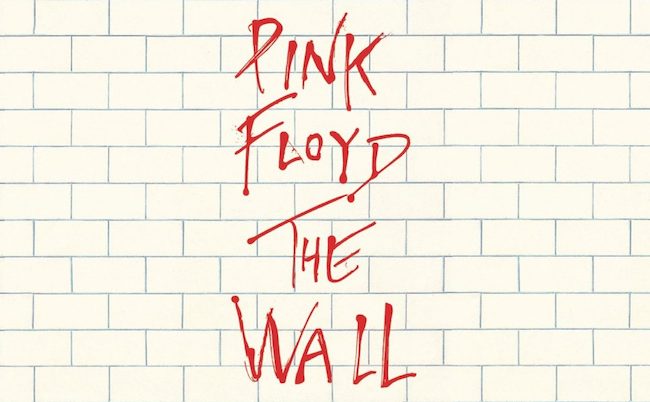
Pink Floyd–“Another Brick in the Wall (Part 2)” (The Wall, 1979)
Released near the end of the decade, this became the band’s only U.S. and U.K. #1 single. Roger Waters’ critique of rigid schooling, combined with David Gilmour’s guitar work and the unforgettable children’s chorus, turned “We don’t need no education” into a worldwide anthem.
Derek and the Dominos–“Layla” (Layla and Other Assorted Love Songs, 1970)
Inspired by Eric Clapton’s then-unrequited love for Pattie Boyd, this fused one of rock’s most famous opening riffs with Duane Allman’s soaring slide guitar. The original 1971 release reached #51, but a 1972 reissue carried it into the Top 10. The celebrated piano coda grew out of a separate musical idea developed by drummer Jim Gordon that was never properly credited to Rita Coolidge.
Bruce Springsteen–“Born to Run” (Born to Run, 1975)
Months of studio experimentation produced a towering Phil Spector-style wall of sound that captured escape, youth and restless ambition in barely four minutes. Its #23 peak has long been overshadowed by its enormous cultural impact, and Springsteen later described his goal as “Roy Orbison singing Bob Dylan, produced by Phil Spector.
Meat Loaf–“Paradise by the Dashboard Light” (Bat Out of Hell, 1977)
Jim Steinman’s eight-and-a-half-minute rock and roll soap opera mixed teenage lust, comedy, melodrama and Phil Rizzuto’s mock baseball commentary into something gloriously excessive. A relatively modest #39 chart showing did little to prevent it from becoming a permanent FM radio institution.
Bachman-Turner Overdrive–“Takin’ Care of Business” (Bachman-Turner Overdrive II, 1973)
Randy Bachman’s crunchy guitar riff and irresistible chorus turned this into one of the decade’s definitive working-class anthems. The #12 hit—how come it didn’t climb higher?—took its title from a phrase Bachman repeatedly heard a local radio DJ use on the air, proving that sometimes a great riff and a great chorus are all it takes for immortality.
Aerosmith–“Dream On” (Aerosmith, 1973)
Written when Aerosmith lead singer Steven Tyler was still a teenager, this evolved from a modest debut album track into the band’s breakthrough hit. The original 1973 release stalled at #59, but a 1976 reissue climbed all the way to #6, establishing a blueprint for countless future power ballads.
Don McLean–“American Pie” (American Pie, 1971)
At 8:37, this was one of the longest songs ever to become a major hit, spending four weeks at #1. Early 45 rpm singles had to split the performance into two parts, yet fans embraced both its sweeping nostalgia and its endlessly debated lyrics.
Related: The story behind “American Pie”
Foreigner–“Cold as Ice” (Foreigner, 1977)
The band’s second single announced a group that knew exactly how to combine hard-rock guitars with pop precision. Lou Gramm’s soulful vocals and the stabbing piano accents helped drive it to #6 and establish them as a major arena-rock force on the heels of their debut hit, “Feels Like the First Time.”
Elton John–“Bennie and the Jets” (Goodbye Yellow Brick Road, 1973)
Initially viewed as an unlikely single, this became one of the star’s signature recordings and reached #1 in 1974. Producer Gus Dudgeon added simulated audience noise and applause, creating the convincing illusion of a live concert performance.
Carly Simon–“You’re So Vain” (No Secrets, 1972)
Her razor-sharp put-down spent three weeks atop the U.S. chart and became one of the most discussed recordings of the 1970s. The mystery surrounding its subject has kept listeners arguing about who was really so vain ever since.
Some of the biggest rock acts and tracks from the era that spawned Album Oriented Radio (AOR) are the subject of a 2026 collection from Cherry Red Records. The title, No Static at All: A Journey Into AOR 1976-1986, is available to order in the U.S. here and in the U.K. here.



3 Comments so far
Jump into a conversationAll great tunes in both Part 1 and Part 2.
The only one I was surprised at not being included in either listing is “Frankenstein” (or as Gene Wilder would say ” Fraunkensteen”) – A monster hit then ….. in the 1970s, and still to to this day, played on classic rock stations, as well as on movie soundtracks.
Baybluesman… We’ve still only scratched the surface!
Indeed, and doing a great job, and a great service, to those of us who appreciate and relish the music of the era.
so many classics, bringing back memories, of all kinds.
Thank you and your staff for this website.