
Jerry Kasenetz, Producer of Bubblegum Hits, Dies at 82
by Jeff Tamarkin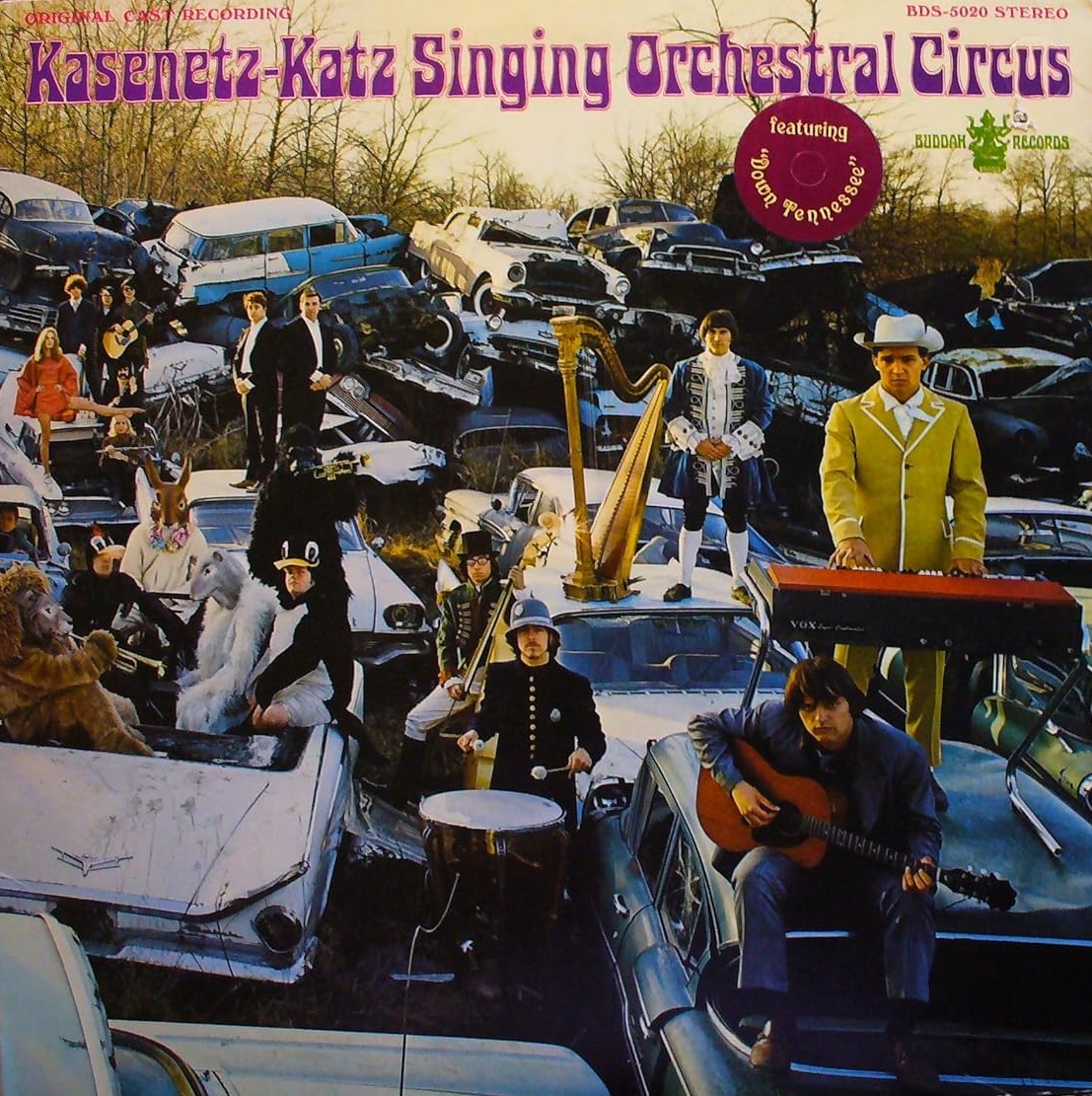 Jerry Kasenetz, who, along with his production partner Jeffry Katz created some of the biggest-selling “bubblegum music” hits of the ’60s, died Dec. 6, 2025, in Tampa. Fla. (His death was not announced for a couple of weeks.) The cause was a fall in his home, according to his son. Kasenetz was 82.
Bubblegum began as a subgenre of rock specifically marketed toward younger listeners. Catchy, melodic, repetitive, often silly lyrically, the songs that defined bubblegum served as something of an antidote to the “heavy” psychedelic rock that was thriving at the time. Many of the acts credited with making bubblegum recordings were studio creations peopled by skilled session musicians. The singers were often anonymous and group personnel might be interchangeable.
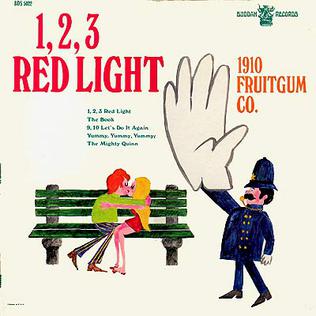
Although Kasenetz and Katz were not the exclusive purveyors of the style (one of the biggest hits, the Archies’ “Sugar, Sugar,” was produced by Jeff Barry), they soon became identified with the genre. Hits by such entities as the 1910 Fruitgum Company, the Ohio Express and their own Kasenetz-Katz Singing Orchestral Circus, most of whom recorded for the Neil Bogart-headed Buddah Records, were largely produced by Kasenetz and Katz.
Jerrold H. Kasenetz was born May 5, 1943, in Brooklyn and grew up in Great Neck, on Long Island. He met Jeff Katz at school in Arizona in the early ’60s and together they opened an office in New York, looking to break into the music business. Beginning in 1967, at the same time that the Beatles unleashed Sgt. Pepper and groups like the Doors, the Jimi Hendrix Experience and Jefferson Airplane were emerging, the Kasenetz-Katz team, under the name Super K Productions, began producing singles—many of which reached the Top 10—aimed at a younger audience that was not ready for the more complex new rock.
Super K’s first major success came that spring with the Music Explosion’s #2 single “Little Bit O’ Soul,” but it wasn’t until the 1968 releases on Buddah by the Ohio Express (“Yummy Yummy Yummy,” “Chewy Chewy”) and the 1910 Fruitgum Company (“Simon Says,” “1-2-3 Red Light” and 1969’s “Indian Giver”) that the bubblegum label became affixed to the lightweight rock style. That same year, the Kasenetz-Katz Singing Orchestra Circus scored a #25 single with “Quick Joey Small (Run Joey Run),” also on Buddah. A 1969 Super K-produced single by Crazy Elephant, “Gimme Gimme Good Lovin’,” on Bell Records, reached #12.
Also in 1968, the Kasenetz-Katz Singing Orchestra Circus, with 50 musicians in tow, performed at Carnegie Hall.
Related: Top 10 bubblegum hits
Although bubblegum was often derided by connoisseurs of the more serious rock, the music influenced others, notably the Ramones, who professed their love for the genre and incorporated some of its cartoonish elements into their own music and visual presentation. Talking Heads were also fans, and covered “1-2-3 Red Light” early in their career. By the dawn of the 1970s, however, bubblegum was largely finished as a movement.
Kasenetz-Katz enjoyed one more big hit as producers, Ram Jam’s “Black Betty,” which peaked at #18 in 1977, but their mark on music is mostly confined to their identity as bubblegum music’s chief architects.
Related: Many other prominent musicians and music business greats died in 2025
A 3-CD set, Pour A Little Sugar On It – The Chewy Chewy Sounds of American Bubblegum 1966-1971, was released in 2024, from the Grapefruit imprint of Cherry Red Records. The 91-song collection is available in the U.S. here, in Canada here and in the U.K. here.





4 Comments so far
Jump into a conversationEven though my musical tastes were weaned on the pop music of the early and mid sixties, “Bubblegum music” was a bridge too far for me back then, even though it was piped out at us constantly on the AM radio. This was especially true since so much cooler and more mature music was being released seemingly every day, that could be heard on FM radio. But mixed in with the catalogue of Bubblegum hits produced by this and other anonymous hitmaking machines of this music were some pretty cool songs. Now, all these years later, when one of these old Bubblegum hits comes on Sirius, I find myself listening to them with fresh ears and actually enjoying the crack musicianship that went into recording these songs. The only problem is that these songs are often earworms and are difficult to shake long after the listen. I suspect this was how they were designed. So beware!
I hated that crap the first time I heard it before I could kill the sound. The programmers at the radio stations should be taken outside and terminated from their positions.
Well, I hated Bubblegum music, even though Little bit o’ Soul is a favorite. Some things slip through the cracks. I remember a Mad Magazine parody “Dummy, Dummy, Dummy. You got life in your tummy.” The lady dressed as an Indian Princess was cute on one album cover.
“Little Bit ‘o Soul” is one my favorite one hit wonders, and the chorus of the song I more than occasionally sing (for some reason) to my dog, Turbo.