
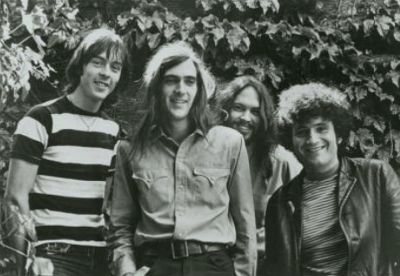
Quicksilver Messenger Service circa 1967 (l. to r.): Gary Duncan, John Cipollina, Greg Elmore, David Freiberg
Greg Elmore, the drummer of San Francisco’s Quicksilver Messenger Service throughout the band’s initial run, died yesterday, March 29, 2026. His death was confirmed on social media by two longtime denizens of the San Francisco music scene, Steve Keyser and Mike Somavilla. No cause of place of death has yet been cited. Elmore was 79.
Related: Our Album Rewind of the band’s debut album
Gregory Dale Elmore was born Sept. 4, 1946, in the Coronado Naval Air Station in California, and began playing drums at age 11. Although there has been some disagreement among former members on the precise origin of Quicksilver Messenger Service, it is generally accepted that it was formed in 1965 around singer-songwriter Dino Valenti, also known as Chet Powers and Jesse Oris Farrow. The author of 1960s anthem “Get Together,” which became a hit for the Youngbloods, Valenti initially recruited guitarist John Cipollina, bassist-vocalist David Freiberg and guitarist-singer Jim Murray to serve as his backup band. Valenti was then arrested and convicted for marijuana possession shortly thereafter and while he served time in prison, the remaining musicians continued without him, adding two members of a band called the Brogues, guitarist-singer Gary Duncan and drummer Elmore, solidifying its early lineup.
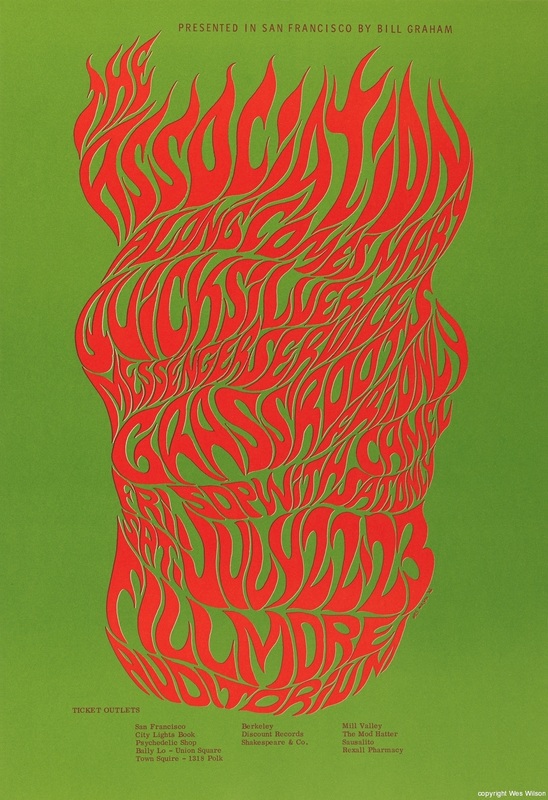
Wes Wilson’s design for a poster advertising a concert by the Association, Quicksilver Messenger Service and the Grass Roots
As the San Francisco rock scene blossomed, the five-piece Quicksilver Messenger Service became popular locally, often headlining dances and concerts at ballrooms such as the Fillmore and the Avalon. They also performed at 1967’s Monterey Pop Festival.
While contemporaries including Jefferson Airplane and the Grateful Dead signed major label record deals in the mid-’60s, Quicksilver held out until 1968, by which time Murray had dropped out, leaving the group a quartet. Their self-titled debut album was released by Capitol Records that year, followed by the live Happy Trails in 1969. For Shady Grove, later that year, Duncan temporarily dropped out and was replaced by the renowned British pianist Nicky Hopkins, who had contributed to recordings by the Beatles, the Rolling Stones, the Kinks and the Airplane, among others.
Valenti, released from prison, joined the band in 1970 for Just for Love, which saw Duncan rejoining and Hopkins remaining on board. That album gave QMS their biggest hit single, “Fresh Air,” written by Valenti. What About Me, later in 1970, featured the same basic lineup and included another FM radio staple in its title track. By 1971’s Quicksilver, both Cipollina and Freiberg had exited the band, although Elmore remained through 1972’s Comin’ Thru and the 1975 reunion album Solid Silver.
Elmore later played with other Bay Area bands, including Terry and the Pirates and the ’80s group the Dinosaurs, consisting of veteran players from various top San Francisco bands.
Watch Quicksilver Messenger Service perform at the Monterey Pop Festival
David Freiberg, who still performs with Jefferson Starship, the band he joined in the mid-’70s after a brief stint in Jefferson Airplane, is now the sole surviving member of the early Quicksilver lineup.
Listen to the instrumental “Gold and Silver,” which began life as a jam on Dave Brubeck’s “Take Five”

No Comments so far
Jump into a conversationNo Comments Yet!
You can be the one to start a conversation.