
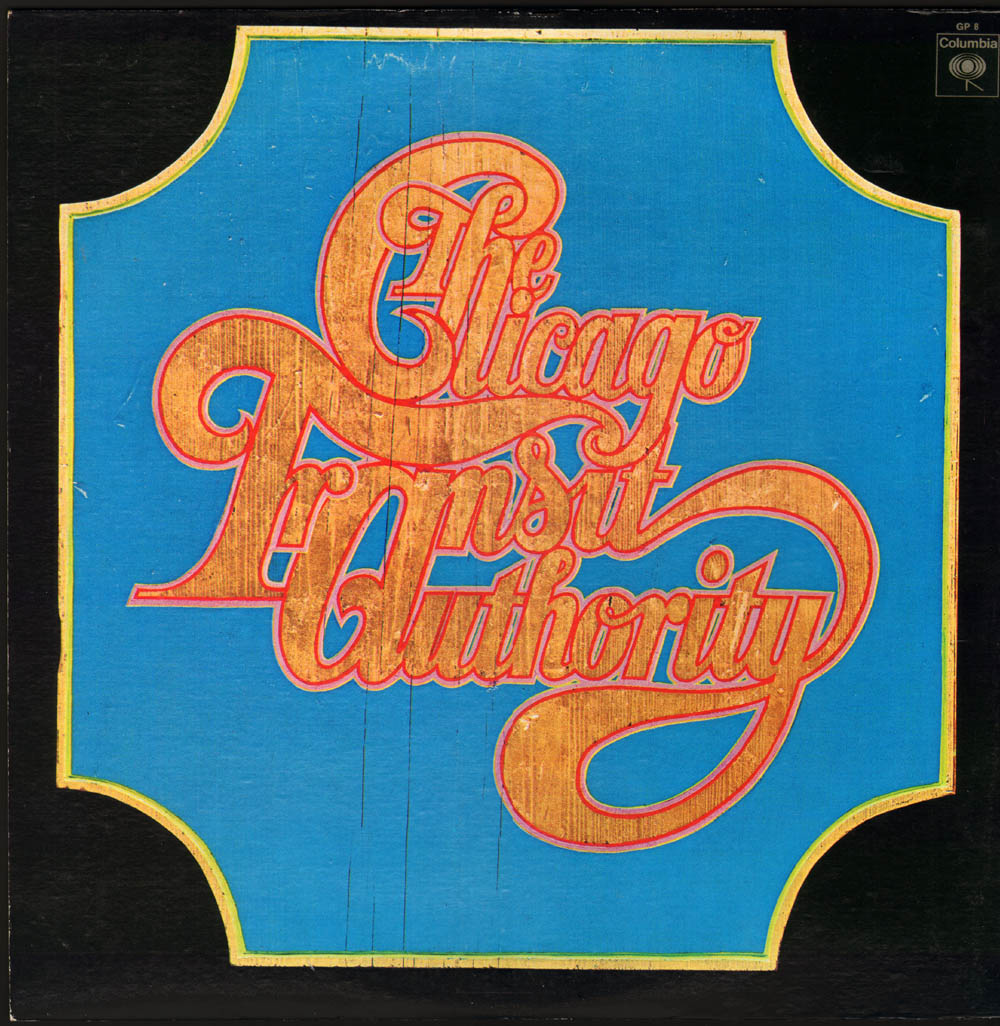
Chicago’s 1969 double album that started it all.
Chicago released their debut album in 1969 and their follow-up LPs came thick and fast: The Chicago Transit Authority double LP was followed by another 2-LP set in 1970, and by the early ’70s, Chicago had plenty of songs on Top 40 radio, including “25 or 6 to 4,” “Saturday in the Park,” “Does Anybody Really Know What Time It Is?” and “Make Me Smile.” These recordings quickly made the band‘s sound one of the most distinctive of the period, with a horn section working hand in hand with rock arrangements in ways not previously attempted by many of their contemporaries.
They managed to traverse the whole spectrum of long compositions and shorter, radio-friendly singles, as well as instrumentals, without ever sounding like a different band. Looking back at that significant output, it’s no wonder that many great numbers have been overlooked. Here are 11 that deserve a reappraisal.
“Introduction”—Chicago Transit Authority (1969)
The first song on the debut album gets straight into it, sailing through many sections, but with a strong feeling of forward motion. Written by guitarist-vocalist Terry Kath, from the beginning you can hear the interplay of the horns with the rhythm and vocals. (A double album was quite an unusual debut at that time for a band.)
“Poem for the People”—Chicago (1970)
The band’s first LP release under the shortened name Chicago, a self-titled effort, features this song, written by Robert Lamm, with a consistent groove, as the horns and vocals have a very tight sound. The arrangement demonstrates the band’s early focus on group interplay.
“Fancy Colours”—Chicago (1970)
One of the album’s several tracks featuring multi-layered jazz chords, this track relies more on organ sounds and slow changes in volume to create an atmospheric soundscape. The song, again from Lamm, with a lead vocal by Peter Cetera, allows the band to veer in a variety of exploratory ways. (Its unique ending must’ve caused more than one home listener to check their turntable’s stylus.)
“Free”—Chicago III (1971)
The first single from the album hit #20 on the Billboard Hot 100 and is characterized by the band‘s lively pace and relatively shorter length. The rocking track, written by Lamm, features Kath on lead vocals.
“Lowdown”—Chicago III (1971)
Written by Cetera and Danny Seraphine, with a vocal from Cetera, this is a short, tight tune that presents a simple groove, propelled by the rhythm section‘s reliable pulse. It was the second single to be released from this album and reached #35 on the Hot 100.
“Now That You‘ve Gone”—Chicago V (1972)
Incredibly, it wasn’t until their fifth album that the group released a shorter, single-LP work. This James Pankow composition is a tight, melodic, succinct composition, a straight-up simple breakup song that describes the feeling of loneliness and emptiness after a partner leaves. The song is praised for its arrangement, with a soulful Kath verse followed by the more uplifting Cetera-sung chorus.
“Dialogue (Parts I & II)”—Chicago V (1972)
The Lamm composition features a back-and-forth dialogue—sung by Kath and Cetera—about the events making headlines, including the Vietnam War, between two opposites over a consistent backdrop. The concept song closes out side one; combining for over seven minutes, though it’s split into two sections. The edited version peaked at #24 on the Hot 100.
“Critic‘s Choice”—Chicago VI (1973)
The band was developing more concise compositions during this era, and the opening track of the album is evidence of that. Written by Lamm, responding to critics of the band, the song is basically a lyrically sarcastic response to the music critics that had been critical of the band‘s earlier output. The first few words, “What do you want? What do you want?” are a request for the artist to be viewed as a human being.
“Something in This City Changes People”—Chicago VI (1973)
The album yielded two monster hits: “Just You ‘n’ Me” and “Feeling Stronger Every Day.” Side two’s leadoff song is a slowly progressing track, with the melody and the arrangements escalating simultaneously. This song is an interesting example of having multiple lead vocalists: Kath, Lamm, Cetera and Lee Loughnane (a unique case where the trumpet player did so).
“Devil‘s Sweet”—Chicago VII (1974)
Returning to the double-album format, this song is perhaps Chicago‘s most adventurous instrumental offering to date, bordering on the avant-garde and jazz fusion, while clocking in at over 10 minutes. The album is also known for its first disc being practically all instrumental jazz. This track, written by Seraphine and Walter Parazaider, is the experimental heart of that vibe.
“Harry Truman”—Chicago VIII (1975)
Released as a single, the song reached a surprising #13 on the Hot 100. This more focused song structure shows a band moving to a more refined sound. Written as a tribute to the former U.S. president, Lamm penned the lyrics in what he called a “nostalgic search” for a leader Americans would believe in, following the resignation of Richard Nixon. Harry S. Truman was presented as that embodiment of honesty and straightforward speech.
Even with 11 singles that reached the top 10 to that point, it wouldn’t be until 1976 that Chicago finally earned a #1 pop hit.
Chicago’s extensive catalog is available in the U.S. here, in Canada here and in the U.K. here.



No Comments so far
Jump into a conversationNo Comments Yet!
You can be the one to start a conversation.