
 When we first published a story on classic rockers’ best second albums, sophomore releases from Led Zeppelin, the Beatles, the Jimi Hendrix Experience and Nirvana were featured. Many Best Classic Bands readers suggested plenty of second albums that should be considered for a follow-up listicle. We’ve owed you Part 2 for a while.
If you’re incredibly fortunate, you release your first album and, if the stars are aligned, many people discover who you are. But with the second, often all eyes are upon you and the pressure is on. Naturally, there’s generally much less time to create it. These 10 albums took on that challenge and nailed it, avoiding the so-called “sophomore slump” and standing testament to a second chapter‘s power to help define a legacy.
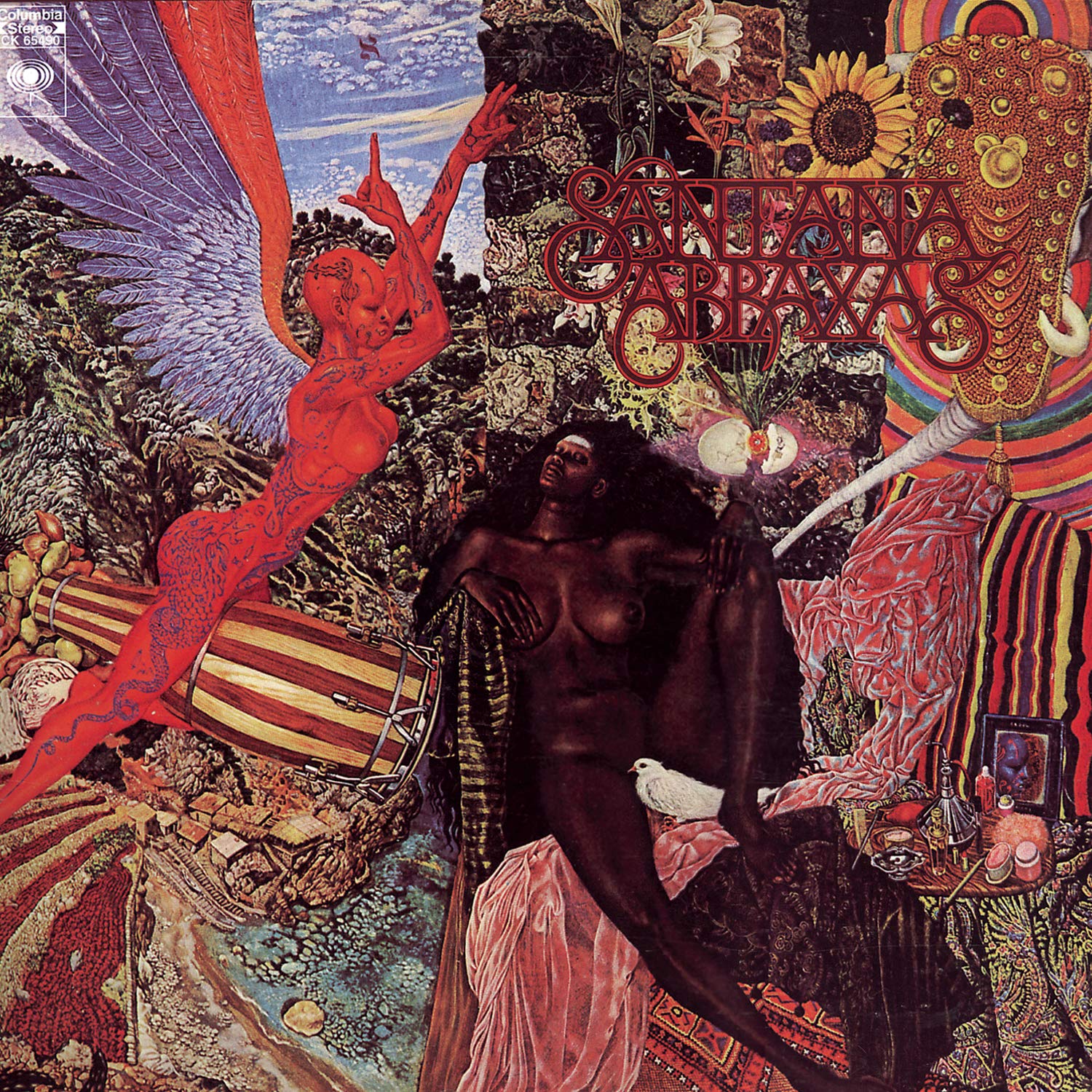
Santana–Abraxas (1970)
Few second albums arrived with the clout of Abraxas. After the Woodstock festival a year earlier, the band quickly went from breakthrough discovery to worldwide supernova. The LP quickly landed Santana at #1 on the Billboard 200, where it remained for six weeks, thanks to such classic tracks as “Black Magic Woman” (a top 5 single) and “Oye Como Va” which put their Latin rhythms on mainstream radio.
Allman Brothers Band–Idlewild South (1970)
The band continued honing its sound, thanks to the production by Tom Dowd—partly in Macon, Ga., their adopted home. Epic songs like “Midnight Rider” and the instrumental “In Memory of Elizabeth Reed” helped them reach #38 on the album chart, up significantly from their 1969 debut (which peaked at just #188). The group continued to develop as a live act as Duane Allman and Dickey Betts’ twin guitar dialog further matured. They were just months away from their legendary 1971 Fillmore East shows.
The Doors—Strange Days (1967)
Just eight months after their debut exploded into our consciousness, the Doors released their second album, and with it, introduced audiences to several more classic tracks. While they scored with such singles as “People Are Strange” and “Love Me Two Times,” the 11-minute album closer, “When the Music’s Over,” is likely the track that has had the most impact. The group‘s own filmic feel helped paint a sleepless picture of a Los Angeles after midnight.
Lynyrd Skynyrd—Second Helping (1974)
Skynyrd wanted to make a statement in April soon after the quick success of their debut, Pronounced ‘Lĕh-‘nérd ‘Skin-‘nérd. Though no singles from the latter charted on the Hot 100 when the LP was first released, the follow-up quickly earned the band a hit with “Sweet Home Alabama,” noted for its unique three-guitar lineup. That convinced their label, MCA, that the first LP’s closing track, “Free Bird,” a popular live number, was worth issuing as a single. Smart move. The song became a hit and remains one of the signature tracks in all of classic rock.
Blue Öyster Cult—Tyranny and Mutation (1973)
The band from Long Island, New York, took things up a notch for their second album, “deepening their mystique,” according to the online music database, Allmusic, and their, er, cult following grew, though it would still be several years before their significant breakthrough with 1976’s “(Don’t Fear) The Reaper.” With its two sides split into “The Black” and “The Red,” the LP was a heady blend of brooding intensity and high-octane energy. Leadoff track “The Red & the Black” was a live favorite, driven by precise twin guitar work and the album saw the band fully embracing its theatrical rock and roll persona.
Foreigner—Double Vision (1978)
How do you follow-up a multi-platinum debut that yielded three hit singles? This British-American rock band and the commitment of their label, Atlantic Records, figured it out with Double Vision. The disc climbed all the way to #3 on the Billboard 200, eventually selling more than seven million copies in the U.S. alone, thanks to another three hits. “Hot Blooded” reached #3 on the Hot 100, only to be topped by the album‘s title track at #2. With glossy production, Lou Gramm’s power-packed vocals and Mick Jones’ lead guitar, the album was also a centerpiece for FM radio, quickly leading to arena headlining dates. A truly collective effort, thanks also to original members Ian McDonald, Al Greenwood, Al Gagliardi and Dennis Elliott.
Rush—Fly by Night (1975)
While the Canadian power trio didn’t truly break through until their seventh studio release, in 1980, the seeds continued to be sown with their second LP and first to feature drummer Neil Peart, who also served as the album’s primary lyricist. The seeds of their progressive plans were planted here. The memorable title track is included on 2025’s career-spanning collection, 50, available here.
Kansas—Song For America (1975)
The second release from the band hailing from Topeka, Kansas, introduced them to markets outside the Midwest. Though it peaked at just #57 on the Billboard 200, it eventually earned gold certification.
From the harmonizing strings and keyboards, to the symphonic 10-minute title track, the band continued to perfect its progressive rock sound. It would be another year-plus before they fully established themselves with “Carry On Wayward Son” from 1976’s Leftoverture.
Bad Company—Straight Shooter (1975)
Atlantic’s playbook for Foreigner apparently was perfected a few years earlier with Bad Company. The supergroup’s BadCo debut included a pair of hit singles that helped it sell five million copies in the U.S. alone. This quick follow-up featured two more radio hits, including the power ballad “Feel Like Makin’ Love,” helping the album reach #3 on Billboard with multi-platinum success. Another winner from Paul Rodgers—one of classic rock’s greatest singers—Mick Ralphs, Boz Burrell and Simon Kirke.
Dan Fogelberg—Souvenirs (1974)
This singer-songwriter took a significant leap forward nearly two years after his first album was released. A change of labels and a new producer—a fellow by the name of Joe Walsh—delivered a winner. No matter that its best known track, “Part of the Plan,” only reached #31 on the Hot 100. The album, featuring the handsome, sensitive-looking 23-year-old Fogelberg on its cover, became a significant success, reaching #17 and eventually two million in sales. The warm acoustic sounds and insightful lyrics offered a nice contrast from the booming rock scene of the time.


1 Comment so far
Jump into a conversation“Blood, Sweat & Tears,” (Grammy-winning Album of the Year 1969) introducing singer David Clayton-Thomas). First album, “Child Is Father to the Man” featuring Al Kooper.