
How the Song Came to Be
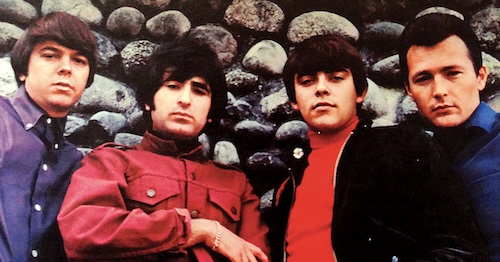
‘Dirty Water,’ The Standells’ Garage Rock Classic
Since Opening Day in 1998, moments after the final out is recorded in a Boston Red Sox win at Fenway Park, the loudspeakers blare the 1966 hit single, the only one, in fact, from the band.
Read More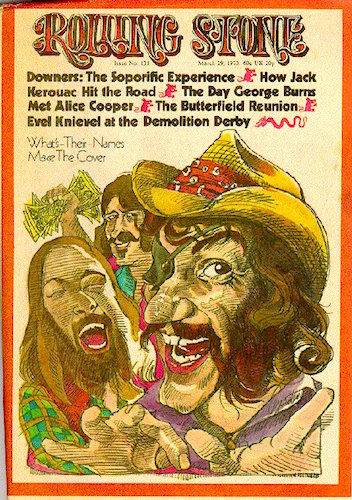
How Dr. Hook Got on the ‘Cover of the Rolling Stone’
A band records a song about its burning desire to make it to the cover of the leading music magazine. We’ve got the backstory. Do you know who wrote it?
Read More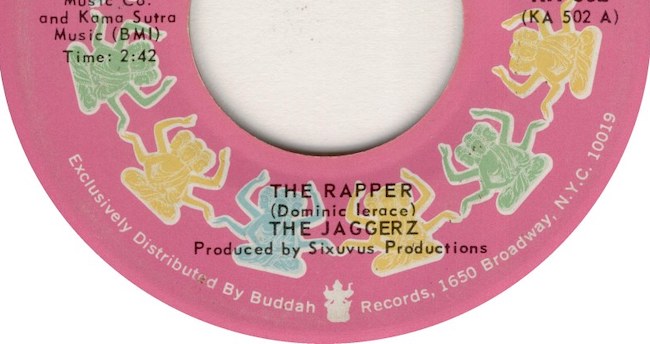
The Jaggerz’ ‘The Rapper’: You Know What He’s After
“The song was something that I wrote watching people in nightclubs. You’d see these dudes go over and start rapping to chicks,” said the band’s Donnie Iris.
Read More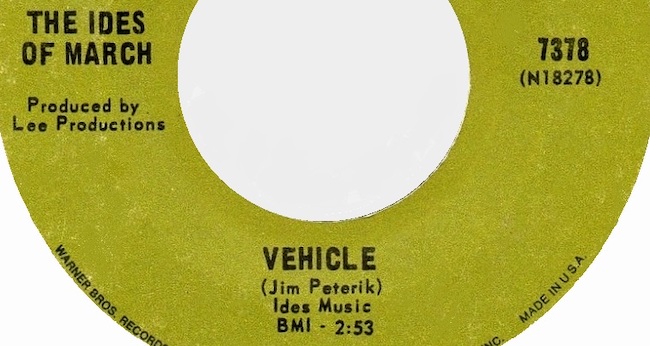
The Ides of March and the Story of ‘Vehicle’
They took their band name from a Shakespeare classic, their biggest hit from a real-life incident, and they drove their way up the charts in the year 1970.
Read More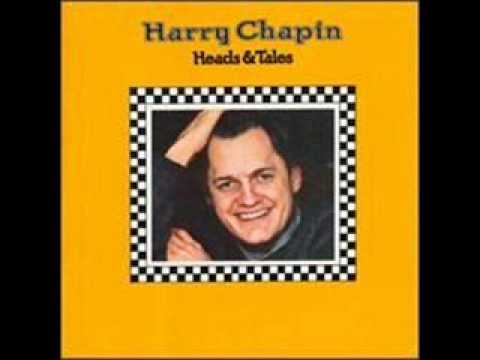
Harry Chapin Inspiration for ‘Taxi’
‘Cat’s in the Cradle’ may have been his biggest hit, but this one resonated with listeners, perhaps due to its real-life connection.
Read More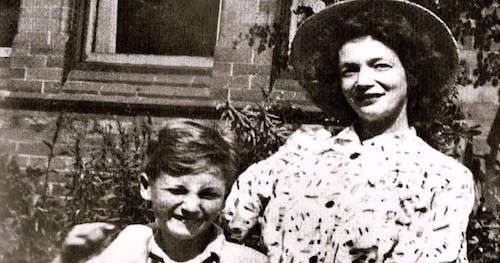
The Important Half: John Lennon, ‘Julia’ and Singing to Reach
The song, inspired by his late mother, “is brave, because in the delivery we hear a singer willing to be transported.”
Read More
Pete Townshend’s ‘Teenage Wasteland’
For years, he worked on an ambitious project called Lifehouse. It was intended to be another rock opera and a logical follow-up to Tommy. This song evolved into “Baba O’Riley.”
Read More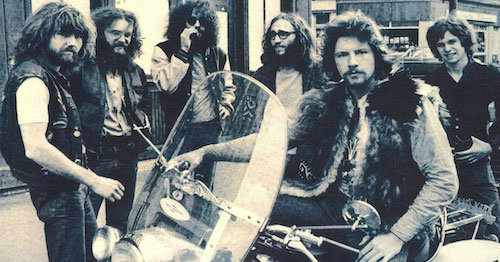
‘Dancing in the Moonlight’—The Circuitous Path of the One and Only King Harvest Hit
Everybody was “Dancing in the Moonlight” in the early ’70s, but who was the band that recorded this catchy one-hit wonder? We decided to find out.
Read More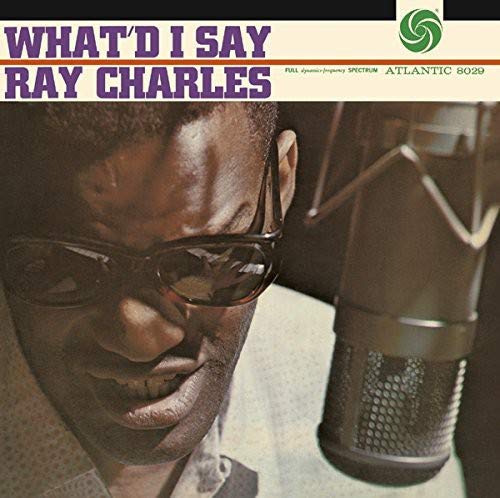
Ray Charles: ‘What’d I Say’—An Accidental Classic
A consummate, road-tested professional, he sat down at his Wurlitzer electric piano and improvised a blues-based boogie-woogie riff.
Read More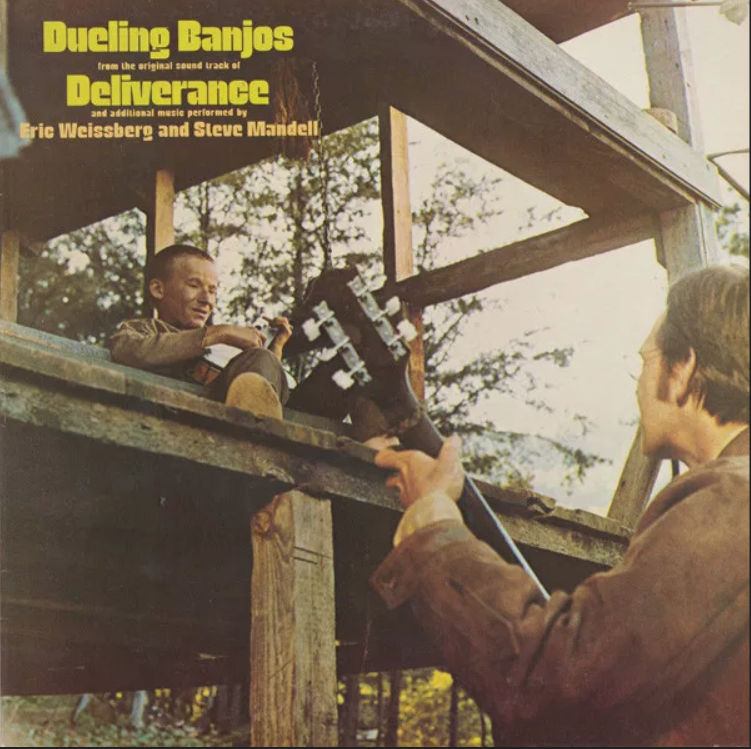
‘Dueling Banjos’ From ‘Deliverance’: An Unlikely Hit
The song, featured prominently in the 1972 thriller, was used without the permission of its composer. There’s actually only one banjo used.
Read More